


DISCOVERING SOUTH AFRICA’S GRASSES: An Introduction
“Grasses are characterized by their tuft-forming or creeping growth habit
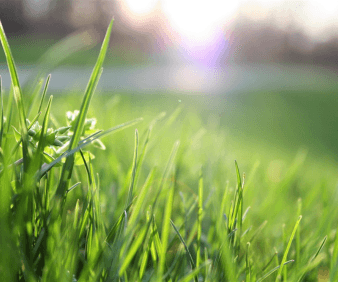


“Grasses are characterized by their tuft-forming or creeping growth habit and typically lack brightly coloured flowering parts. Their leaves are composed of three main components: a long, slender leaf blade, a leaf sheath, and a ligule.” – Fritz van Oudshoorn, Guide to Grasses of Southern Africa.
Among the many magnificent wonders of nature, the beautiful region of Southern Africa is blessed with an extremely diverse range of grasses – boasting roughly 10% of all the grass species found on earth. Some of the world's best grazing grasses, and many species used for the cultivation of pastures, for the purposes of thatching, as lawns and as ornamental grasses, are found here. Remarkably, out of the nearly 1,000 grass species inhabiting Southern Africa, about one-third is endemic to the region.

This can be attributed to the large variety of environmental and climatic conditions that are found in the Southern parts of Africa; from arid deserts to lush forests, coastal plains, and high-altitude grasslands - encompassing both winter and summer rainfall regions – Southern Africa offers its own world of ecological diversity.
Grass, and the pivotal role it plays in nature and the lives of all humans and animals, is an increasingly significant topic. Not only do they serve as a crucial source of food, but they also fulfil ecological functions essential to the natural balance. The grass family is arguably one of the most important plant families on our planet.
Grasses have a profound impact on life in various ways; approximately 10,000 years ago, grasses were among the first to be purposefully cultivated for the use of food, and today, staples like maize, wheat, and rice are still some of the most abundant grains in the modern diet.
They are also either directly or indirectly the key to survival for nearly all livestock and wildlife species. Yet, perhaps the most overlooked and underestimated role of grass lies in its ability to protect and fortify the earth's topsoil. Through their remarkable adaptability and distinctive growth patterns, grasses have the ability to effectively shield the soil from the erosive forces of rainfall and wind.
Long ago, when the continents were all joined together in one giant landmass known as Pangae, the first grasses probably grew in the forests. At this stage, the earth experienced a moist, humid climate. And with their broad leaves, grasses would have been able to compete with the tall forest trees for sunlight.
As Pangae broke into the continents we know today, the topography of these continents progressively changed, along with the gradual change of each continent’s climate. The grass family adapted exceptionally well to all of these changes! The Poaceae family, or grass family, is the 4th largest plant family on earth today, following orchids (Orchidaceae), daisies (Asteraceae) and legumes (Fabaceae).
As mentioned before, grass plays a vital ecological role in nature – particularly in the grassland and savannah biomes. They serve as a habitat for thousands of species of wildlife, and also provide a source of fuel for fires. When left undisturbed, grasslands are also highly effective in capturing and storing carbon.
Grasses are remarkably well-adapted to grazing, burning and mowing, as these activities stimulate regrowth for which the reserved nutrients - produced through photosynthesis and stored in the basal parts of the plant - are used.
As new leaves are grown after defoliation and photosynthesis starts again, reserve nutrients, predominantly composed of carbohydrates, are replenished. Consequently, allowing the grass to rest after grazing becomes a crucial principle in veld (grassland) management to ensure the continued health and vitality of the plants.
Despite their natural adaptability to grazing, improper grazing management strategies, such as overgrazing and undergrazing, remains one of the most significant threats to the health of grasslands and the veld.

Grasses vary considerably in their grazing value, or the quantity and quality of the material produced for grazing. When grasses are not sufficiently defoliated, an excess of plant material, known as "moribund," accumulates, leading to the suffocation of grass tufts from within and, in severe cases, even result in plant death.
While undergrazing is less than ideal, overgrazing remains the most serious cause of veld degradation. This occurs when grass plants are continuously utilized without allowing sufficient time for rest, causing the root system to become so weak that it fails to absorb water and nutrients effectively, ultimately causing the death of the plant. Typically, the most palatable grasses are the first to fall victim to overgrazing, but sustained overgrazing can also affect less palatable species.
Considering the diversity of grasses within a veld and the ecological status of each grass species is of utmost importance for evaluating the veld condition and for effective veld management. Because the grass species serve as valuable indicators of veld condition, they are often used to assess the health and grazing potential of a veld, providing valuable insight when making decisions regarding livestock and game stocking rates.
The ecological or grazing status of a grass is a classification status essentially reflecting how the different grass species respond to varying levels of grazing pressure. Grazing can either lead to an increase (referred to as Increaser I, Increaser II, or Increaser III species) or a decrease in the number of grass species (referred to as Decreasers).
Decreasers
Decreasers encompass those grass species that thrive in healthy veld conditions but dwindle in number when the veld experiences overgrazing or undergrazing. These species are typically preferred by grazing animals due to their palatability. Increaser I species consist of unpalatable and robust climax species. These are strong, perennial plants adapted to optimal growth conditions, and they flourish in underutilized veld where they can grow without significant defoliation.
Increaser II
Increaser II species include pioneer and subclimax species. Pioneer species are hardened, annual plants capable of growing in unfavourable conditions and providing minimal soil protection. Subclimax species are denser than pioneer plants and offer greater soil protection. These species tend to dominate overgrazed veld in regions with lower rainfall.
Increaser III
Increaser III species, also unpalatable, thrive in overgrazed veld. These strong competitors rapidly increase when Decreaser species are weakened by overgrazing. They are typically found in regions with higher rainfall.
It's worth noting that some grass species found in South Africa today are not native to the region and are referred to as "Invaders." These invaders can be either annual weeds or invasive perennial species. While some of them may be palatable with high grazing value, many are highly invasive and undesirable.
Classifying certain grasses within a single group can be challenging, as their status may vary from one region to another. Therefore, it is crucial for every farmer to familiarize themselves with the properties and ecological value of the various grass species on their farm. This knowledge enables them to assess veld condition accurately and determine its grazing capacity effectively.
“It has been said that if all other plant life were to vanish from the face of the earth, the survival of humanity would still be possible as long as grasses endure” – Fritz van Oudshoorn, Guide to Grasses of Southern Africa.
Understanding the importance of grasses – their identity, features, characteristics, and uses – and recognizing their ecological role equips farmers, conservationists, and nature enthusiasts to better comprehend the dynamics of natural rangelands. This understanding enables them to contribute significantly to sustainable land use and development. Knowing the grazing capacity and managing animal numbers accordingly will allow a farmer to sustain his animals without risking the deterioration of his veld – a crucial aspect of long term, sustainable agriculture.


