


Equestrian Excellence: The Legacy and Heritage of the South African Boerperd
In the grand tale of South Africa’s formation, one
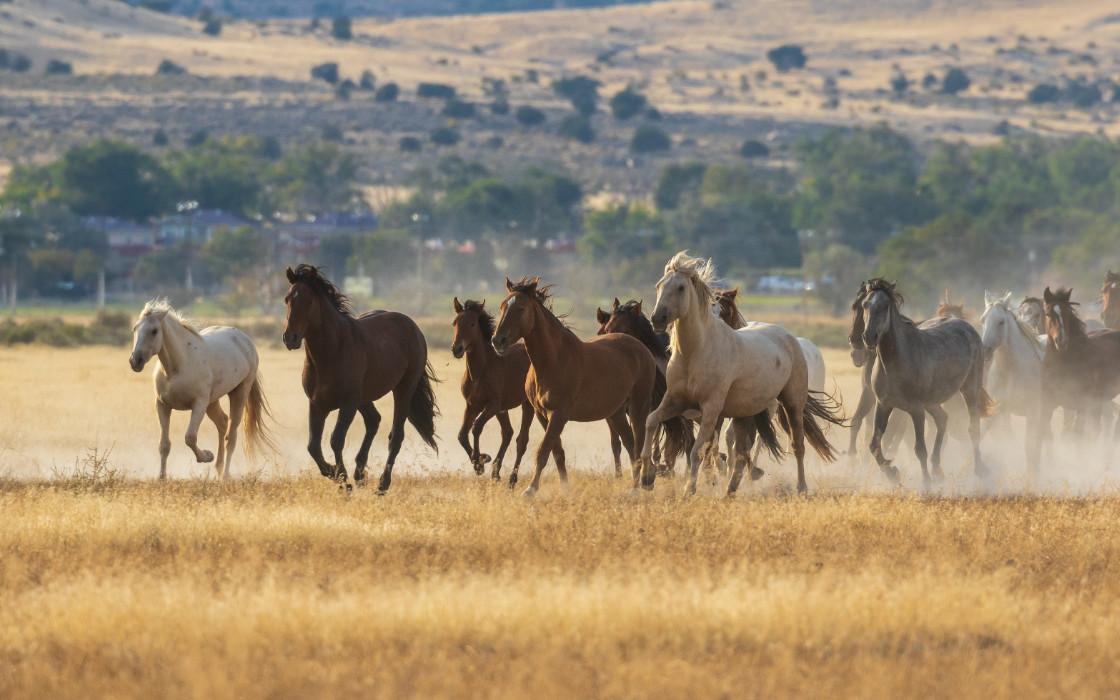

In the grand tale of South Africa’s formation, one character stands out as a steadfast companion and a silent witness to history: the South African Boerperd. This extraordinary horse has galloped alongside the pioneers, explorers, and settlers who built and shaped the country. From the earliest days of the Cape Colony to the tumultuous battles of the Anglo-Boer War, the Boerperd has been there, symbolizing endurance, resilience, and the pioneering spirit of South Africa. Its story is as rich and varied as the land it helped to tame, making the Boerperd a living emblem of South African heritage and identity.
Origin
The origins of the South African Boerperd date back to 1652, when Jan van Riebeeck landed in Table Bay and established a halfway post for the Dutch East India Company. The first horses to set hoof on South African soil were crossbred Berber-Arabian ponies imported from Java. These sturdy little horses quickly adapted to their new environment, but their numbers were still small. Then, in 1665, a twist of fate occurred: a ship carrying 14 Arabian horses was stranded en route from Java to Persia. The horses swam ashore and were captured by van Riebeeck's men, providing a valuable infusion of new blood into the fledgling herd. This event marked the beginning of what would become the Cape Horse.
As time went on, the breed continued to evolve. A century later, Andalusian horses were introduced, further enhancing the Cape Horse’s qualities. Known for its sound temperament, bravery, stamina, sure-footedness, and hardiness, the Cape Horse quickly gained a reputation as a reliable and versatile mount. In the early 1700s, the introduction of 40 Thoroughbred stallions added size and posture to the breed, and by 1769, these horses were being exported to India to support the English army, showcasing their growing international reputation.
The 1800s saw the addition of Hackneys, Cleveland Bays, and other breeds to the gene pool, leading to the evolution of the Cape Horse to the Boerperd. This was a period of great change and challenge for the breed. The Boerperd’s resilience and mobility were put to the ultimate test during the Second Anglo-Boer War. The Boers, skilled riders and masters of guerrilla tactics, relied heavily on these hardy horses to outmanoeuvre the British forces. The war took a heavy toll on the Boerperd population, with many horses lost to harsh conditions or shot by the British to deny their use to the Boers. Yet, those that survived, hidden away in remote areas, ensured the breed’s continuation into the 20th century.
Form & Build

Its characteristics make it an ideal choice for riding safaris, perfectly suited to traversing South Africa’s diverse landscapes. Since 2002, the breeding program has focused on maintaining the breed’s genetic diversity while avoiding inbreeding. Strict inspections ensure that only the best stallions and mares are used, preserving the breed’s high standards.
The establishment of the Boerperd Society in 1973 in Memel, Orange Free State, marked a significant step in the breed’s formal conservation. A constitution was written, and a breed standard compiled, identifying horses genotypically and phenotypically suitable for breeding. The society adopted a strict selection policy, which has helped maintain the breed’s unique characteristics. In 1977, the society’s name was changed to the Historic Boerperd Breeders Society, and in 1980, the breed was officially recognized by the Department of Agriculture. Sixteen years later, the Historic Boerperd was accorded the status of a fully recognized and indigenous breed, and in 1998, the name was changed once again to SA Boerperd, cementing its status as a truly South African horse.
History
The legacy of the Boerperd is deeply intertwined with the centennial of the Second Anglo-Boer War, celebrated between 1999 and 2003. This period revived memories of the war and the pivotal role the Boerperd played. South Africa, with its vast and varied landscapes, serves as a living laboratory for breeding and rearing horses in family groups on natural veldt grazing. The outstanding genetic material of the SA Boerperd, combined with first-world standard breeding societies, recording systems, and advanced research institutions, has contributed to a thriving equine industry. Today, the Boerperd excels in competitive sports riding, patrol and police work, herding, trailing, hunting, as well as recreational riding. The sport of endurance riding, with a long and distinguished legacy, further showcases the Boerperd's exceptional qualities.
Throughout its history, the SA Boerperd has been shaped by natural selection and the vigilant eye of dedicated farmers and breeders. From the early Berber-Arabian ponies and Andalusians to the infusion of various breeds during the 1800s, the Boerperd has evolved into a breed known for its resilience, intelligence, and versatility. The efforts of these breeders have ensured the preservation and enhancement of these qualities, making the Boerperd not only a part of South Africa's heritage but also a valuable asset for future generations.
The story of the Boerperd's survival through the Second Anglo-Boer War is particularly tragic. The Boers, skilled riders and masters of guerrilla tactics, relied heavily on these tough, agile horses to outmanoeuvre the British forces. The war tested the breed's stamina, hardiness, and mobility, and while many horses were lost, those that survived were a testament to the breed's resilience. After the war, efforts to conserve and revive the Boerperd began in earnest, with formal movements to register and standardize the breed.
In 1957, the National Riding Horse Breeders Association was established, which later became the Boerperd Breeders Association of South Africa. However, it wasn't until 1973 that the Boerperd Society of South Africa was established, leading to the formal recognition of the breed. The society's strict selection policy and commitment to preserving the Boerperd's unique characteristics have ensured the breed's continued success and popularity.

Attributes
The Boerperd's bloodlines are diverse, with significant contributions from various families and regions. The Cloete horses, known for their intelligence, spirit, and stamina, played a crucial role in developing the breed. The A2 horses, bred by the van Niekerk family, were renowned for their stamina, refinement, and excellent temperaments. The Hancke horses, famous for their movement and endurance, and the Steenkamp horses, known for their hardiness and sure-footedness, also contributed to the Boerperd's genetic pool. The Odendaal and Middleton horses, with their unique traits and historical significance, further enriched the breed's heritage.
Today, the SA Boerperd excels in various equestrian disciplines, from endurance riding and dressage to pleasure riding and showing. The breed's versatility, combined with its resilience and intelligence, makes it a favorite among riders and breeders alike. The Boerperd's ability to adapt to different environments and its strong work ethic are testaments to its well-rounded nature.

The Boerperd Society of South Africa continues to uphold the breed's standards, ensuring that each horse meets the criteria for registration. The society's dedication to preserving the Boerperd's unique characteristics and promoting its use in various equestrian activities has helped the breed thrive. As a result, the Boerperd is now bred throughout Southern Africa and is the fastest-growing horse breeders society in the country.
From its origins in the Cape Colony to its role in the Anglo-Boer War and beyond, the Boerperd has proven itself as a versatile, intelligent, and hardy breed. The dedication of breeders and the commitment of the Boerperd Society of South Africa have ensured that this remarkable horse will continue to be a cherished part of the country's heritage for generations to come.
The South African Boerperd is more than just a horse…it is a symbol of South Africa's rich equestrian heritage, and a testament to the resilience and adaptability of a breed that has stood the test of time.


