


Farming Sustainably: Embracing the future
In the world of agriculture, the concept of sustainability
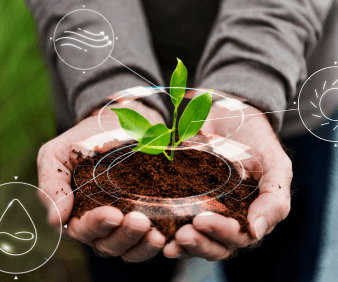


In the world of agriculture, the concept of sustainability can spark a range of emotions. While some understand and embrace its importance, others view it with apprehension, fearing that it may come with significant costs and complexities, where others want to move in its direction but have no idea how. However, when we delve into the heart of sustainability, we find that it's not something to be feared, but rather a pathway to a more secure and financially rewarding future – and something more easily achievable than one would imagine.
We often observe international agricultural practices not only for their successes but also as predictors of future changes to come to South Africa. These changes can range from shifts in market prices and supply dynamics to alterations in rules and regulations. In recent years, many nations have implemented sustainability standards in agriculture, setting precedents for practices that may soon become the norm here. While South African legislation and regulations might differ from those in other countries, understanding and aligning with global sustainability trends can be a strategic advantage. It's not about fearing potential future laws but proactively embracing sustainability, which can yield both environmental and economic benefits. While there's no guarantee that foreign restrictions or regulations will be implemented locally, benefit can still be gained by preparing for it and actively seeking ways to move towards sustainable production.
Sustainability isn't a one-dimensional term confined to environmental conservation or carbon taxes. It comprises a multidimensional tapestry that includes efficiency, nutrient density, economic viability, and societal well-being. While we may look to other nations for inspiration and direction, it's essential to remember that South Africa boasts some of the world's finest farmers and that our circumstances are not always equal to other nations. Our strength lies in our ability to adapt to unpredictable climatic conditions and navigate the sometimes rough waters of geopolitics, but also in the potential of improvement in certain areas of production.
Small improvements, large gains

In that context, there are many practical ways that farmers can navigate improvements towards sustainability with little to no investment. One of the essential steps in preparing for sustainability is diligent record-keeping. Often, valuable resources are wasted on farms due to poor record-keeping practices. However, diligent record-keeping can highlight production inefficiencies, losses and areas where waste can be minimized or where management should be adjusted or efficiency can be improved. Efficiency essentially translates directly to “more-for-less”, which in this case can mean less water, land-use and greenhouse gas emissions and in other words, improved sustainability.
To optimise efficiency, however, improved management practices are key. Effective management practices can significantly reduce resource usage and streamline processes. For instance, in the case of livestock farming, better observation and strategic timing of activities like artificial insemination concerning an animal's oestrus cycle can reduce the “non-productive” time of a female, during which she is technically wasting resources. Something more simple like ensuring adequate feeding and drinking space for livestock is another simple management factor.
When animals have sufficient access to feed and water, they consume what they need, reducing their stress and improving their productivity by quickening the turnaround time for livestock, from birth to market. Consider experimenting with the addition of extra feeders and drinkers. If you notice increased intake, it means the animals were not consuming or producing optimally before and most likely did not perform optimally, either due to competitive stress or simply because they didn’t consume sufficient amounts of energy and protein for growth.
The management of housing and paddocks can also impact resource utilization by ensuring animal comfort, and by reducing the energy expenditure of animals used for things like maintaining body heat, which in turn increases the energy available for growth or reproduction. Adjusting factors like ventilation and temperature control, or working with natural climatic conditions to enhance airflow and temperature without relying on extra energy can further contribute to both animal comfort, and the reduction of electricity use. In addition, well-ventilated, dry and clean housing will prevent harbouring of diseases and in effect, ensure animal health and productivity, while preventing excessive use of antibiotics.
Soil: agriculture’s gold
The health of our soil is paramount in sustainable agriculture

Soil carbon sequestration, the process of capturing and storing atmospheric carbon dioxide in the soil, can help reduce atmospheric greenhouse gases. In addition, healthy soil is not only more productive but also retains water better, reducing the need for irrigation. Hence, for both livestock and crop farming, grazing and soil management is one of the most important factors of reducing global emissions.
Well-managed grazing livestock can assist in the sequestration of carbon, reducing emissions, improve soil conditions, and enhance both soil and plant biodiversity. The veld, or pasture, can consequently carry more animals, reducing the need for additional land for grazing. Practices like ultra-high-density grazing and regenerative grazing can make a substantial difference in this regard.
Regenerative grazing practices focus on mimicking natural grazing patterns of wild herbivores. It involves frequently moving livestock to mimic the behaviour of wild herds. This not only reduces overgrazing in certain areas but also encourages natural fertilization through trampling and manure distribution. Healthy soil and increased biodiversity are common outcomes of such practices, underscoring their importance in sustainability.
In terms of cropping, practices like crop rotation, cover cropping, and minimal tillage can be used. Crop rotation involves planting different crops in succession to improve soil fertility and disrupt pest cycles. Cover cropping involves planting specific crops during fallow periods to protect and enrich the soil. Minimal tillage reduces soil disturbance, preserving its structure and carbon content. Even in crop farming, integrating livestock can reduce the need for fertilizers and water while improving soil health. Consider implementing practices like allowing livestock to graze on crop remnants for natural fertilization.

Sustainability starts with small yet impactful changes that don't necessarily require significant investments. In South Africa, as in many other nations, sustainability isn't merely a choice but a necessity. As global markets evolve, and environmental concerns take center stage, our agricultural practices must adapt.
South African farmers have shown time and again that adaptability and resilience are our strengths. By implementing sustainable practices, improving resource management, and optimizing our interactions with the land, we can not only thrive in a changing world but also lead the way towards a more sustainable future. In conclusion, sustainability is not something to fear; it's a beacon of progress.


