


“FLAWS” in Poultry Farming: Tips to Effective House Evaluation and Management
Navigating the complexities of poultry farm management can be
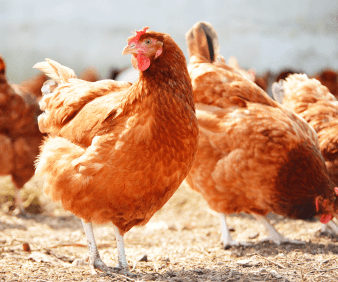


Navigating the complexities of poultry farm management can be intimidating, especially if you're unsure where to begin. Fear not, as there's an easy-to-remember acronym widely used in the industry to guide your evaluation process: FLAWS, representing Feed, Light, Litter, Air, Water, Space, Security, and Sanitation. This prompt serves as a handy checklist to ensure that you cover the fundamental aspects of poultry management. Let's explore each element to understand its significance and how to assess it effectively.
Feed
Feed is a key component of poultry management, ensuring birds receive the specific nutrients that they require at every stage of development, whether they're day-old chicks or mature laying hens. Therefore, it is important to verify that the correct feed is given. Practical considerations include assessing the feed form (such as pellets, crumbs, or mash), evaluating nutrient quality, and maintaining proper storage conditions to prevent mold formation. Additionally, it's essential to monitor feed accessibility to birds, minimize wastage, and observe bird behavior around feeding stations, addressing concerns as needed. Providing adequate feeder space relative to the bird population and maintaining proper pan heights are also important steps for optimal feed management.

Light
Light is another factor affecting poultry behavior, reproduction, and physiology. It's essential to evaluate both the duration and intensity of light to ensure optimal conditions for the birds. Verify if the lighting program aligns with operational needs and if it's consistently followed. Check for any malfunctioning lights in the house and address any dark spots that may affect bird behavior. Maintaining a proper day-night cycle with consistent lighting is important for the well-being and productivity of the flock.
Litter
Maintaining proper litter management is essential for ensuring the health and well-being of poultry. Wet litter poses one of the most significant challenges, leading to issues like footpad lesions and the proliferation of pathogens. It's crucial to monitor litter conditions regularly, ensuring it remains dry and comfortable for the birds. Consider the type of litter used and its suitability for absorption and odor control. Proper depth of litter helps in moisture absorption and provides a comfortable surface for the birds. Additionally, monitor bird droppings to identify any signs of illness or digestive issues.
Air
Ventilation plays a vital role in regulating temperature, humidity, and gas removal within poultry houses. Achieving the right balance of airflow is critical at every stage of development. For instance, airflow must be sufficient to manage temperature and litter moisture without causing excessive drafts. Understanding the ventilation system in use, whether automated or employing open house systems with curtains, is essential for effective management. Daily monitoring of temperature, ammonia levels, humidity, and dust concentration is vital to promptly address any issues. Regularly inspecting various checkpoints, such as heaters, probes, and ventilation systems, to ensure their proper functioning is also crucial for optimal bird growth and comfort.

Water
Water management is integral to poultry operations and often forgotten. Providing birds with continuous access to clean, temperature-appropriate water is essential for birds to regulate their internal temperatures. Furthermore, regular maintenance tasks such as flushing lines, addressing leakages, monitoring water pressure, line height, and nipple functionality are essential to uphold water quality and ensure an uninterrupted water supply. Drinkers in the house must also be cleaned daily and there must be sufficient water stations for given bird density. Additionally, assessing the condition of outside storage tanks, filters, and the water source is crucial for preventing contamination. Regular testing of water for bacterial counts and harmful solids like heavy metals and organic compounds is also recommended.
Space management
Space management is another important aspect of poultry operations. Proper spacing is needed for accommodating birds at different stages of growth. It's important to adjust water and feeder placements as birds develop to ensure they have adequate access. Additionally, evaluating functional space utilization is essential to optimize the business. This includes assessing factors such as layout design, equipment placement, and accessibility within the poultry house. Ensuring birds have enough space to move around freely promotes healthy growth and reduces stress. Therefore, regularly assessing and optimizing space utilization, considering factors like flock density and behavior patterns, contributes to overall flock well-being and productivity.
Security / Biosecurity
Security/ Biosecurity measures are paramount in poultry operations to safeguard against predators and diseases. This includes implementing rigorous protocols such as showering before entering facilities and providing clean personal protective equipment (PPE) to minimize contamination risks. Controlling access to the farm and monitoring people's movements help prevent unauthorized entry and potential disease spread. Additionally, managing the flow of personnel from younger to older birds reduces the risk of cross-contamination.
Monitoring and controlling wild bird activity, as well as regulating vehicle entry onto the farm, further mitigate disease transmission. Utilizing footbaths and disinfectants at appropriate concentrations enhances biosecurity efforts. Implementing all-in-all-out systems for flock management, along with proper disposal of mortalities, helps minimize disease outbreaks. Furthermore, adhering to vaccination programs and maintaining accurate health records are crucial for disease prevention and control.
Sanitation
Sanitation practices also play a pivotal role in maintaining a healthy and hygienic environment in poultry operations. This includes thorough ground-keeping to ensure cleanliness and prevent the accumulation of waste and debris. Effective rodent control measures are implemented to minimize the risk of disease transmission and protect the flock. Cleaning procedures for new flocks must also be rigorously followed to eliminate any potential contaminants and establish a clean start. Regular grass-cutting helps manage vegetation and reduces potential hiding places for pests. Additionally, maintaining the facility through routine cleaning and upkeep further enhances sanitation efforts, promoting overall operation success.

In conclusion, it's crucial to recognize that all these elements discussed need to work together harmoniously for optimal poultry management, as each aspect influences the others. Furthermore, when doing a one-day visit to a poultry farm, it provides a glimpse in time of the complex life cycle of the flock, underscoring the importance of meticulous record-keeping. Good records not only demonstrate commitment but also empower farm personnel with valuable insights into operations. Consulting breeder guidelines for detailed recommendations is advisable to ensure a comprehensive understanding of management practices. Lastly, given the multitude of tasks involved, effective teamwork and communication are indispensable on a poultry farm. Each team member brings expertise to their role, contributing to the overall success and sustainability of the operation.


