


Getting your bull ready for the breeding season
In the realm of cattle farming there exists a central
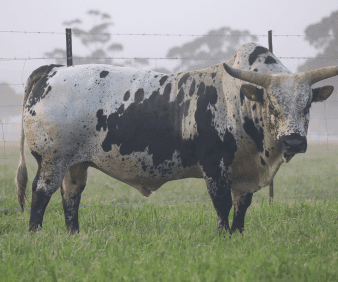

In the realm of cattle farming there exists a central figure who holds the key to success—the bull. Achieving a high conception rate stands as the cornerstone of effective herd management. This makes the careful selection of bulls an imperative task, one that shapes not only the genetic makeup of the herd but also its financial viability. In the pursuit of a thriving and sustainable cattle operation, the importance of choosing the right bull cannot be overstated. A well-chosen bull, armed with superior genetic potential, possesses the ability to sire a lineage of high-quality calves, laying the foundation for both genetic legacy and financial prosperity. However, amid the critical decision-making of bull selection, a crucial aspect often remains obscured—the preparation of bulls for the forthcoming breeding season.
Despite their pivotal role, bulls frequently find themselves overlooked during the preparatory phases, an oversight that warrants careful consideration. It is, however, essential to implement bull preparation in the pre-breeding period, particularly in the two months leading up to the breeding season. Ensuring the well-being and readiness of your bulls during this critical phase can significantly enhance fertility rates and calf production within your herd, and with proper knowledge and insights, the genetic excellence of bulls can be fully exploited to optimize conception rates and subsequently ensure the economic prosperity of a farming operation.


The importance of allowing newly acquired bulls an adaptation period cannot be overstated, especially for those that have recently undergone the rigors of marketing and transport. An adaptation period enables these bulls to acclimatize to their new environment, reducing the risk of potential setbacks such as excessive weight loss, injury, or illness when immediately tasked with breeding cows, which can translate into poor conception rates as the breeding season unfolds.
To ensure optimal performance, it is advisable not to acquire new bulls less than 60 days before the commencement of the breeding season. Bulls obtained through auctions often arrive in “auction condition”, typically rated at a Body Condition Score (BCS) of 4 or higher. Transitioning from a concentrate-based diet, typically provided in preparation for the auctions, to the roughage-based diet on the farm should be approached carefully and slowly to avoid bulls becoming weak and infertile during the breeding period. The diets of these bulls should be adjusted over a span of 4-6 weeks, aiming to achieve a BCS of no more than 4.
For bulls that are already adapted, maintenance of their optimal body condition is also a critical component of a successful breeding season. The breeding season challenges bulls with increased demands on their energy and stamina. Being out in the field walking behind and breeding with cows greatly increases the amount of energy they are expending, and if they're not in top shape, it can impact their performance and fertility, especially during shorter breeding seasons.
To ensure your bulls are ready for the task at hand, it's advisable to assess their condition at least two months before the breeding season kicks off. Aim for a condition score of 3 (on a scale of 5), gradually building up to 3.5 to a maximum of 4 at the start of breeding. However, caution is needed when adjusting their diet. Excessive high-energy concentrate can lead to unwanted fat accumulation around the scrotum, which is detrimental to fertility.
Providing a diet encompassing high-quality forage, feedstuffs, and mineral supplements – as well as a consistent supply of abundant, clean water – is essential for the well-being and reproductive potential of a bull. Seeking the counsel of a nutritionist is a wise move when you need to make adjustments. With their expertise, you can tailor the nutrition plan to suit your specific circumstances, ensuring that your bulls are in prime condition to contribute effectively to a successful breeding season.

When it comes to evaluating the breeding soundness of bulls, it's crucial to understand that it encompasses more than just fertility.

Firstly, the anatomy of the bull is inspected; this involves checking the sheath - which should not be excessively long or damaged, ensuring that the penis can fully extend without any deformities - and examining the scrotum for symmetry. Testicles hanging too low or a scrotum that is split at the base is undesirable. The testicles themselves must have a solid consistency, be equal in size, and be free from lumps or injuries. Hooves and joints should also be inspected, ensuring they are not overgrown, cracked, or stiff, as this can impact the bull's ability to mate effectively.
Next, the libido of the bull should also be observed; a bull should show genuine interest in the cows in order to successfully breed. Bulls should furthermore undergo regular testing to confirm they are free from venereal diseases like trichomoniasis and vibriosis, while newly acquired bulls should be tested to ensure they are BVD (Bovine Viral Diarrhoea) negative.
Lastly, semen quality and quantity are evaluated. This includes macroscopic observations like color, density, movement, and volume. Additionally, a microscopic examination assesses semen morphology, looking for abnormalities in the head or tail, as well as the presence of foreign cells, such as pus cells. Incorporating these aspects into the assessment of breeding soundness ensures that bulls are not only fertile but also physically fit and free from diseases, contributing to a successful and productive breeding season.
Another crucial aspect of the pre-breeding period is vaccination and parasite control. When it comes to "live" vaccines, it's advisable to complete the vaccination process at least 60 days before the onset of the breeding season. This precaution is taken because live vaccines can induce fever reactions that may negatively impact fertility.
These include the BRD complex vaccines (BVD, IBR, PI₃, BRSV), Rift Valley Fever vaccines, Lumpy-skin vaccines, and Three-day Stiff-sickness vaccines. Inactivated, or dead, vaccines offer greater flexibility in terms of timing. These vaccines, such as those for Vibriosis and "Pinkeye," can and should be administered closer to the breeding season, ensuring that the bulls are adequately protected against these specific diseases during the critical breeding period. Careful planning and adherence to vaccination schedules are key to maintaining the health and reproductive performance of your bulls.
The importance of meticulous parasite control cannot be underestimated when it comes to the well-being and reproductive performance of your herd bull. Both internal and external parasites wield a potentially significant impact on the condition and performance of bulls. Liver fluke, in particular, poses a substantial threat that can lead to extensive economic losses as the liver has a role in hormone regulation, which is a critical function during the pre-breeding period.
On the external front, the battle against parasites continues. Ticks, often the culprits of tick-borne diseases and mechanical damage to the scrotum and sheath, must be dealt with as needed. A heavy tick burden can also diminish a bull's appetite, affecting its overall well-being and body condition. Additionally, fly control is essential to reduce irritation that can hinder growth and condition.
To ensure a seamless and productive breeding season, several general management practices must also be considered.
Firstly, planning well in advance to determine the appropriate number of bulls required for your herd is essential, following the general guideline of one bull per 25-35 cows and one bull per 15-20 heifers. Additionally, it's crucial to be prepared to replace any bulls that may become injured or fall ill, ensuring uninterrupted breeding. Newly acquired bulls should undergo a minimum two-week quarantine period before their introduction to the bull herd or cows to prevent potential disease spread.
Once introduced, close monitoring of bull interactions is necessary to prevent excessive fighting and injuries, with separation being an option if conflicts arise. When dealing with heifers, it's advisable to employ experienced bulls, as signs of oestrus may be less pronounced and of shorter duration. Lastly, maintaining the physical fitness of your bulls through a daily training regimen, including brisk walks, becomes crucial, particularly for bulls acquired from auctions who may be in an "over-conditioned" state.
When it comes to breeding operations, the meticulous preparation of bulls for the approaching breeding season is far from a mere formality—it's a strategic necessity. The significance of bull preparation cannot be overstated. Despite breeders oftentimes overlooking the importance of this phase, a well-prepared bull is not only essential for genetic progress but can be considered the key player of economic viability.
These preparations are not just about ensuring a bull's physical fitness - They represent an investment in the genetic legacy of your cattle operation and a pledge to the health and vitality of future generations.


