


Hay Contaminants: Chemical, Biological and Physical hazards
Hay is an important source of food and roughage for
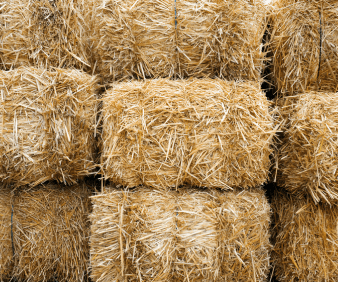


Hay is an important source of food and roughage for animals in production systems and is used as the main source of fibre in ruminant and equine diets because of its low cost and higher nutritional value when compared to straw. Contamination of hay and animal feedstuffs occurs frequently and leads to a reduction in not only the palatability of the feed but also leads to a reduction in the quality of the feed which leads to sickness and death of affected animals.
These contaminants can be grouped into environmental contaminants and conta-minations occurring from anthropogenic processes that includes biological hazards, chemical hazards, and physical hazards which negatively affect the animals utilizing
these feeds.
Biological hazards
These include contaminations from viral pathogens and bacterial pathogens that negatively impact the animals utilizing these feeds and the humans that consume contaminated animal products. Hay stores are a source of rodent infestations and because of this, contamination can occur. Leptospirosis is a disease spread by the urine of mice and causes abortion in cattle and is a disease that can also affect humans who come in contact with infected hay.
Botulism is the production of a highly toxic compound caused by the bacteria, Clostridium botulinum, that grows in a carcass, and animals that feed on hay that is contaminated with the carcass of a rodent for example, will be infected.
Botulism can also be caused by feeding “balage” that was produced aerobically and where the pH of the “balage” was allowed to rise above 5, thereby creating the perfect environment for the growth of this bacteria and will lead to flaccid paralysis, weakness, and in a few days, death.
Another biological hazard is the presence of poisonous plants and their secondary metabolites that are included in the hay and fed to the animals. There are over 200 000 secondary metabolites that are found in plants that can change the metabolic pathways of animals which leads to changes in their cells and therefore a toxic, negative effect.

If hay is produced that is contaminated by poisonous plants, it will lead to high levels of mortality. Examples of these poisonous plants and toxic compounds are Gifblaar (Dichapetalum cymosum) which contains monofluoroacetate that inhibits the Krebs cycle and leads to the loss of cellular respiration, Red slangkop (Urginea sanguinea) that contains a cardiac glycoside that inhibits the sodium-potassium pump and leads to a drop in cellular energy, Ragwort (Seneccio retrorsus) that caused necrosis \ of the liver as it contains hepatotoxic pyrrolizidine alkaloids, Tree tabacco (Nicotiana glauca) that causes cardiac and respiratory failure, and plants that contain high levels of cyanogenetic glycosides as cyanide is produced in the body of the animals and causes mortalities.
Insects also form part of biological hazards and can lead to the death of animals. An example of this is the group of insects called the “Blister beetle” which are attracted to alfalfa blossoms. These insects contain cantharidin in their body and can easily be harvested with the crop and fed to the animals in the hay which will lead to an irritation of the animal’s gastrointestinal tract, while it is known to be toxic to horses.
Chemical hazards
Mycotoxins are secondary metabolites that are produced by fungus that can infect forage in the field or while it is being processed and can be toxic to living organisms. These fungi reduce the quality of the feed as the feed’s nutrients are depleted by the fungi for its own growth and for the production of secondary toxic compounds. These mycotoxins lead to a range of syndromes and conditions that depend on the type of toxin that is produced, which in turn is dependent on the temperature of the forage, the amount of water present in the forage, and the nutrients that are present in the forage. “Strawpile disease” is an example of a disease that is caused by mycotoxin contamination and leads to liver damage, and damage to the face and udders of infected animals. Aflatoxins are potent toxins and also carcinogens that grow on the seeds of forage species and continue to grow after harvest and during the production of hay. These toxins lead to liver failure in infected animals and can also be passed to humans through animal products such as milk.
Pesticides are important chemical hazards that include insecticides containing carbamates and organophosphates, and herbicides that must be considered in hay contamination as incorrect usage and application of these chemicals can lead to the death of animals.
Rodent control in hay storage through the use of zinc phosphide and anti-coagulants can also contaminate the hay being fed to animals and lead to mortalities, although the incidence of such poisonings are low. Because grass hay can be low in quality these feeds are usually treated with ammonia to increase its digestibility and protein content. This treatment can however have a negative impact on suckling calves as these calves can \develop nervous system issues leading to respiratory problems, trembling and convulsions, and therefore hay must not include more than 2% ammonia.
Hay that is made from grass that was heavily fertilized can have a high nitrate content and can lead to nitrate toxicity with disastrous effects on animal health. Nitrate poisoning results in high mortality and certain weeds like Pigweed (Amaranthus retroflexus), and Lamb’s quarter (Chenopodium spp.) are known to be large accumulators of nitrates.
Grass species are more likely to accumulate nitrates and other factors like a high rate of fertilization and times of drought can lead to increases in the nitrate levels in plants and hay.
The nitrate content of hay must therefore be considered as it can have a large economic impact on production and animal health. The contamination of hay with heavy metals is another consideration as these metals can be passed on to humans through animal products which can have adverse effects on human health. The use of certain fertilizers and the mineral content of the soil where the feed is being harvested must therefore be monitored in order to prevent contamination of feeds with heavy metals.
Physical hazards
Physical hazards that contaminate hay and can lead to a negative effect on animal health can be described as objects that can lead to choking and damage to the mouth and gastrointestinal tract, and contamination with filth and dirt that can also have negative effects on animal health.
Bailing wire that is used to secure hay is often left in the feed and can be consumed by animals. These wires usually pass through the stomach of horses but can penetrate the wall of the stomach causing infection, or it can become lodged and form an obstruction leading to the need for surgery of the colon to remove the wire. Ingestion of wires can also lead to “hardware disease” in ruminants where the lining of the reticulum is penetrated, and which can lead to infection or the puncture of the sac containing the heart which will lead to serious complications.

Dust and other allergens that contaminate hay are known to be respiratory irritants to horses and they can travel to the lungs of these animals where they cause not only inflammation but reduce the transfer of oxygen into the bloodstream.
The last physical hazard that can contaminate hay are plants with sharp spines that lead to abrasions of the mucosa in the mouth which can lead to ulcers and infections. Abscesses can form resulting from these wounds and will lead to a reduction in feed intake and therefore production.
Examples of grasses that lead to these wounds in the mouth are grasses of the Setaria species like Setaria viridus and Setaria glauca whose physical morphology leads to a continuous irritation of the mouth with resultant damage to the mucous membrane. Care must therefore be taken to feed hay to animals that do not contain species capable of inflicting such damage to animals.
Contamination of hay with biological, chemical, and physical hazards can occur before the plants are harvested, during the process of producing hay, and during storage of hay. It is therefore important to reduce the amount of contamination of the hay through testing and through constant observation of the production process to ensure contamination is kept to a minimum.
Animals must also be observed regularly, especially after feeding, to ensure no negative effects are being exerted on the animals and to report any signs of poisoning. Contamination can be kept to a minimum through effective storage, harvesting, and precautionary methods and this will lead to an increase in the overall health of the animals that are being fed and will lead to an increase in production if hay of good quality is being given.

References:
1. Bagley, C.V. (1997). Toxic contaminants in harvested forages. All current publications, 410, 1-4.
2. Barnard, J. A. (1997). Plants toxic to wildlife [Honours dissertation, University of Pretoria]. Centre for Wildlife Management.
3. FDA. (2022). Biological, Chemical, and Physical Contaminants in Animal Food. U.S. Food & Drug Administration. Retrieved 15 September 2022 from https://www.fda.gov/animal-veterinary/animal-food-feeds/biological-chemical-and-physical-contaminants-animal-food
4. Johnson, M.Z. (2022). Hardware Disease in Beef Cattle. Drovers. Retrieved 15 September 2022 from https://www.drovers.com/news/beef-production/hardware-disease-beef-cattle#:~:text=Hardware%20disease%20is%20a%20common,the%20stomach%20called%20the%20reticulum
5. Kelly, J. (2021). Mice contaminated hay- what's the risk? NSW goverment. Retrieved 15 September 2022 from https://www.lls.nsw.gov.au/regions/central-west/latest-news/cw-news/2021/mice-contaminated-hay
6. Loh, Z.H., Ouwerkerk, D., Klieve, A.V., Hungerford, N.L., & Fletcher, M.T. (2020). Toxin Degradation by Rumen Microorganisms: A Review. Toxins, 12(664), 1-37.
7. Miller, K.F., & Moore-Colyer, M. (2022). Understanding Hay Quality: Even "Good" Hay Can Have Bad Things In It. American Association of Equine Practitioners. Retrieved 15 September 2022 from https://aaep.org/horsehealth/understanding-hay-quality-even-good-hay-can-have-bad-things-it
8. Mol, J.G.J., de Rijk, T.C., van Egmond, H., & de Jong, J. (2014). Occurrence of mycotoxins and pesticides in straw and hay used as animal feed. Rikilt Wageningen UR.
9. Omotayo, P.O., Omotayo, A.O., Mwanza, M., & Babalola, O.O. (2019). Prevalence of mycotoxins and their consequences on human health. Toxicological Research, 35(1), 1-7.
10. Puschner, B. (2017). Poisonous weeds and toxic factors in hay crops: Why you should worry. Western Alfalfa and Forage Symposium, Reno.
11. Thal, D. (2022). Ate wire, twine or other foreign material, witnessed. Horse Side Vet Guide. Retrieved 15 September 2022 from https://horsesidevetguide.com/drv/Observation/1289/ate-wire-twine-or-other-foreign-material-witnessed/
12. Thompson, L. J. (2021). Nonprotein Nitrogen Poisoning in Animals. MSD. Retrieved
15 September 2022 from https://www.msdvetmanual.com/toxicology/nonprotein-
nitrogen-poisoning/nonprotein-nitrogen-poisoning-in-
animals#:~:text=Cattle%20fed%20dietary%20components%20containing,champing%2C%20salivating%2C%20and%20convulsions


