


Importance of Understanding Your Soil for Planting
4 min read|
⏳ 3-4 min - Estimated read time The suitability and
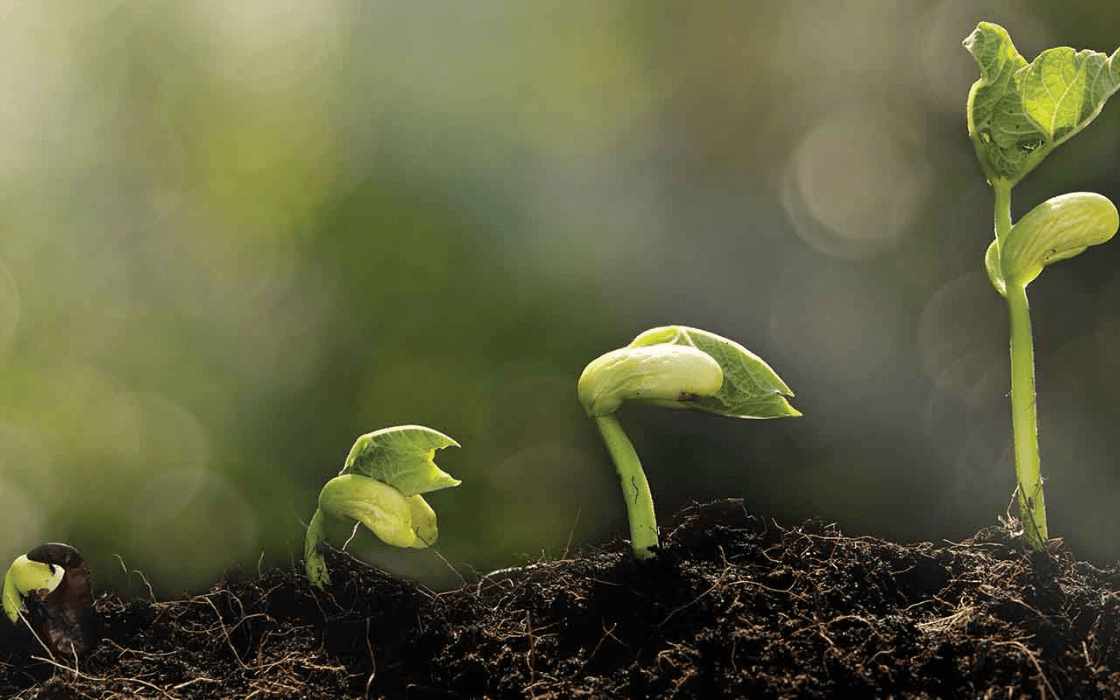

The suitability and application of soil for food cultivation is an age-old concept. Going as far back as the Middle Ages, hostile nations would destroy each other’s farmlands by salting the soil (thus halting food production).
However, long before this, the principles of soil and seeds were referenced in a parable (Luke 8:5-8): "A farmer went out to sow his seed; and as he sowed, some fell along the path and were trampled underfoot, and the birds of the sky devoured it. Some fell on rocky ground, and when it came up, it withered because it had no moisture. Other seed fell among thorns, and the thorns grew up with it and choked it. Still other seed fell on good soil, grew, and yielded a crop a hundred times over".
This highlights the fundamental principles of farming: using good seed in the right location. The soil must be deep enough, moist enough, and weed-free. Awareness of cultivating crops on good, fertile soil is not a new concept.

Various soil properties (physical, chemical, and biological) and their interactions determine soil use and management. In 1991, Ludick and Wooding discussed soil classes, soil depth classes, and the production stability of dominant dryland crops. Soils were categorized as non-arable (with mechanical limitations), suitable only for veld improvement, or arable soil fit for crop cultivation.
For evaluation purposes, effective soil depth was categorized as 600 mm. They further emphasized the importance of production stability. Even then, a change in climate as well as the resulting risks of dryland crop production were identified as the greatest challenges for farmers. Rainfall in the Highveld region varies from 800 mm (east) to 400 mm (west), increasing the risk of planting in the west. Large yield differences can arise due to soil differences, erosion risks, effective depth, texture, internal drainage, and other limitations. A broad guideline for describing the climate-soil-crop interaction in terms of successful
production (over 10 years) was established using five classes: very good (>8), good (7-8), fair (6-7), poor (4-6), and very poor (<4).
The management of water retention and flow is a critical aspect of dryland farming. Crop choices can be used to manage risk, including plant density and adapted cultivation practices. Soil chemical properties significantly influence soil fertility thus management and soil-improving practices are critical for success. Certain fertilizing practices are more suitable for specific soils than for others. Fertilizer quantities, application time, and types must be suited to the soil. Biological factors also play an important role in crop production.
All these decisions can only be made based on the available information, such as surveys that can be conducted. A soil sample and profile pit are good starting points. Chemical "grid" analyses and soil use investigations can also be helpful. In preparation for the new season, now is the ideal time to learn more about your soil. In this regard, Kynoch can support farmers by collecting and interpreting data. Feel free to contact your nearest Kynoch Representative or Agricultural Specialist to learn more.
Compiled by: Dr. Chris Schmidt and Hentie Cilliers
References
Ancient Origins. Salt Sowing: An Ancient Method to Settle Scores. Website (Accessed: 5 August 2024).
Adams, 2007. Did ancient conquerors punish their enemies by sowing captured fields with salt? Website (Accessed: 5 August 2024).
The Bible, 1953. The Bible (BGSA = Bible Society of South Africa).
Ludick & Wooding, 1991. An Evaluation of the Use and Potential of Agricultural Land and Production Stability of Dryland Crops in the Magistrate Districts of the Highveld Region. Technical Communication No. 224, Department of Agricultural Development, Republic of South Africa.

Visit: www.kynoch.co.za
Kynoch Fertilizer (Pty) Ltd Reg. No: 2009/0092541/07


