


Livestock Nutrition: Exploring the potential of Forage Quality for ruminants
In the sprawling landscapes of South Africa, where farmers and
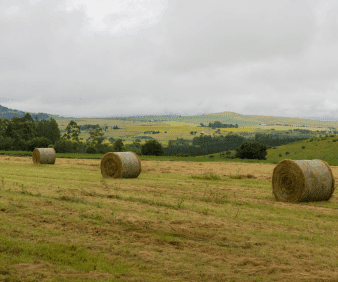


In the sprawling landscapes of South Africa, where farmers and their livestock coexist, lies a vital component that underpins the well-being of our valuable livestock – forage quality. South Africa's climate varies across regions, with semi-arid to arid conditions in the interior and different rainfall patterns across the country. Grasslands dominate the central high regions, with different types of grassland ecosystems based on rainfall and soil characteristics, one of South Africa's main forage resources.
In this article, we briefly look into the importance of forage quality for ruminants, uncover the factors that shape it, and offer practical guidance to help farmers improve the nutrition of their livestock. Let's explore the world of forage quality.
The Essence of Forage Quality:
Imagine the grazing fields as a buffet table spread out before our ruminant livestock. Forage quality will determine the nutritional value, palatability and intake of this abundant feast. Further factors determined by forage quality are the composition of nutrients, digestibility, and overall suitability of the forage for ruminant consumption. A well-balanced diet built on high-quality forage empowers livestock to thrive, ensuring optimal growth, reproduction, and overall vitality.

Exploring the Factors:
The quality of forage available to ruminants is influenced by a multitude of factors, each playing a crucial role. Firstly, the selection of appropriate forage species and cultivars is paramount. Advancements in genetics have been instrumental in developing forage varieties that are specifically tailored to meet the nutritional requirements of ruminants, ensuring optimal nutrient provision.
Secondly, the local climate of the region holds significant importance. Different forage species are adapted to thrive in specific temperature and rainfall conditions. Understanding the climate and its impact on forage growth aids in selecting the most suitable varieties that can flourish in the given environment.
Thirdly, the stage of growth or maturity of the forage is a determining factor in its nutrient value, digestibility, and intake for animals. As forage matures, its quality gradually decreases due to an increase in fibre content, resulting in reduced digestibility. Timely harvesting of forage at its peak nutritional value is crucial to ensure optimum nutrient intake for ruminants.
Fourthly, effective nutrient management strategies, such as soil fertility assessment and targeted fertilization, play a vital role in promoting robust forage growth and optimizing nutrient uptake by plants. By understanding the nutrient requirements of forage crops and implementing appropriate fertilization practices, farmers can enhance the nutritional composition of the forage.
Fifthly, grazing management techniques, including rotational grazing, offer substantial benefits to both forage plants and ruminants. Rotational grazing allows forage plants to recover and regrow, ensuring a continuous supply of high-quality nutrition for ruminants. By carefully managing grazing patterns and providing adequate rest periods for forage recovery, farmers can maintain an optimal balance between forage utilization and regeneration.
Finally, the timing of forage harvest is a critical consideration. Harvesting forage at the right stage of growth captures the peak nutritional value, just before the decline in quality sets in. Additionally, proper storage techniques should be employed to preserve the nutrient content and overall quality of harvested forage, ensuring its long-term suitability for ruminant consumption.
By comprehending and effectively managing these multifaceted factors, farmers can make informed decisions and implement practices that significantly enhance the quality and nutritional value of forage, ultimately benefiting the health and performance of their ruminant livestock.
Practical Approaches to Enhancing Forage Quality:
So how can farmers enhance forage quality and unlock its benefits for their ruminant companions? Soil testing and nutrient management strategies enable farmers to tailor fertilization practices to optimize nutrient availability in the soil. Selecting forage species and cultivars that are well-suited for the local environment and ruminant nutritional needs ensures a wholesome diet for livestock. Effective grazing management techniques, such as rotational grazing, promote sustainable forage growth and allow for ample recovery periods. Additionally, implementing proper harvesting techniques and timing can maximize nutrient content and preserve forage quality for ruminant consumption.
Approach to Livestock Nutrition:
While forage quality is of paramount importance, supplementary feeds can play a role in meeting the specific nutritional needs of ruminants. By carefully considering the deficiencies in forage and providing balanced supplementation, farmers can ensure their livestock receive a well-rounded diet that supports optimal health and productivity.
In conclusion, forage quality stands as a fundamental pillar in the realm of livestock nutrition in South Africa. Its profound impact on the health, growth, and overall well-being of ruminants cannot be underestimated. Through a careful understanding and management of factors such as forage species selection, climate adaptation, growth stage, nutrient management, grazing techniques, and harvest timing, farmers have the opportunity to elevate the nutritional value of forage and unlock its benefits for their cherished livestock. By prioritizing and enhancing forage quality, farmers can pave the way for a sustainable and prosperous agricultural future, where thriving ruminants roam the sprawling landscapes of South Africa.


