


Optimal Bull preparation for successful auctions
In the world of bull auctions, the relationship between buyer
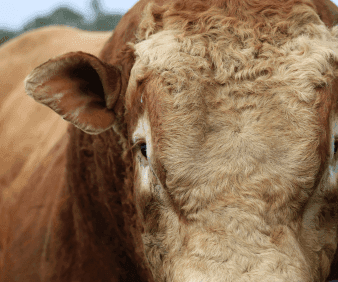

In the world of bull auctions, the relationship between buyer and seller is a delicate balance of give and take. Both the buyer and seller act in the best interest of their own farms, often with conflicting expectations. This difference in expectations can lead to communication gaps between what buyers want and what breeders can offer. However, with clarity, planning, and effective communication, this gap can easily be overcome.
As a commercial cattle farmer, the most critical factor determining the profitability of your beef herd is the number of calves you can market annually. This, in turn, is largely influenced by the fertility of your herd, which is strongly affected by your choice of bulls. The bull's mating abilities, semen quality, scrotum circumference, physical condition, health, and genetic potential all play a role in the buyer's decision-making process during an auction. Therefore, these factors should also be of importance to the seller and considered when preparing bulls for auction.
Bulls must first be physically capable of mating with all the cows assigned to them. They should have the necessary stamina to walk behind cows, eat sufficiently, and be in good physical condition for multiple matings.
A good practice for sellers is to have bulls walk a daily two-kilometre distance at a steady pace for about three months before an auction.


This allows the seller to identify and treat any injuries, hoof, or joint problems in the bulls. It will also build the bull's physical endurance and stamina while ensuring that any additional feed provided converts into desired muscle, instead of unwanted fat.
Furthermore, each bull used for breeding purposes must have viable semen. Semen quality and quantity play a crucial role in the overall calf percentage of your herd, making it a high priority for potential buyers. To determine this, semen samples from each bull presented for auction should be sent in for analysis. Factors such as colour, density, movement, volume, deviations from normal semen morphology, and the presence of any foreign cells should be considered. A comprehensive semen analysis report will give buyers confidence that the bull they purchase will perform and reproduce as needed, while providing sellers with an opportunity to showcase their bulls at their best.
Buyers are also inclined to purchase bulls with a larger scrotum circumference. The scrotum should be symmetrical, not too long, and undivided at the bottom. Scrotum circumference has a significant impact on the age at which a bull's calves reach puberty and is a highly heritable trait. Therefore, breeders and/or sellers should pay attention to these traits in their breeding policies and adjust breeding targets accordingly.
The medical aspect of auction preparation is particularly important. A seller must ensure that all necessary vaccinations are administered at the correct times, and long enough before the auction. Some vaccinations, such as those for brucellosis, anthrax, BVD, and trichomoniasis, can cause a fever reaction that can harm sperm cells and affect fertility. It is common practice not to vaccinate bulls less than 6 weeks before the planned breeding season, as that is about the time it takes to replenish sperm reserves. Also, it is important to note that these "live" vaccines should preferably not be administered simultaneously. The timing of the auction relative to the breeding season should be taken into account in the vaccination program.
Parasite control, both internal and external, is also crucial to presenting an animal in good condition that performs well. Liver flukes, in particular, are a worrisome internal parasite that interferes with normal hormone production and can have a range of reproductive consequences. Therefore, a good parasite control program is essential for both sellers and buyers. Furthermore, testing for reproductive diseases is a non-negotiable point; buyers must ensure that any bulls they consider have been tested for the necessary reproductive diseases and insist on the physical test results. Such tests can be considered insurance policies if needed.
One of the biggest and most controversial aspects of auction preparation is the issue of supplementation. It is a fact that well-fed bulls tend to perform better and achieve higher auction prices compared to slightly thinner, unconditioned counterparts. Preparing bulls with proper supplementation before the breeding season is critical, as it is a very stressful and physically demanding period for the bull. A bull must have enough fat reserves to sustain itself during that time, as an underfed bull cannot perform its job properly. However, improper and excessive supplementation - which may still produce an impressive-looking bull during an auction - can have long-term consequences for the bull's fertility and health. Such a bull may mislead the buyer into believing that they are acquiring a healthy and well-performing animal, only to later realize that it breaks down and performs poorly in the field. This has caused significant damage to buyer-seller relationships in the past.
There is, therefore, a significant difference between "fattening up" and "preparing" for an auction; an over fattened bull with a fat deposit around the scrotum will have much lower semen quality. This fat deposit is also, for all practical purposes, a permanent phenomenon.
When the supplementation ration is too warm - meaning high in fermentable and carbohydrate-rich energy sources - and presented too quickly, significant damage is done to the digestive system. This metabolic disease is called rumen acidosis. In such cases, the bull's rumen will produce excessive acids without the rumen microbes being able to adapt systematically. This causes irreversible damage to the membrane lining the rumen, which is responsible for the absorption of nutrients. Consequently, such an animal will gradually show a reduced appetite and weaken in condition. In severe or advanced cases, animals can even die from this condition. However, it is possible to prepare your animals for auction and keep them in good condition in a way that minimizes the risk of rumen acidosis.
The key aspect is to ensure that additional feed for your bull is provided over an extended period, allowing the animal to gradually gain condition without overwhelming the rumen with sudden high-energy sources.
Experts recommend putting bulls that will be auctioned on a protein and energy lick six months in advance, while a good-quality roughage remains the majority of the ration. At about three months before the auction, the ration can be adjusted to provide a larger proportion of high-energy feed to optimize their condition, as well as to compensate for the "exercise" bulls undergo during that time to become fit. Three weeks before the auction, supplementation can gradually be scaled back, and a digestion modifier such as BrowsePlus can be added. This will help the bull adjust more easily from the field and feeding conditions they are accustomed to the new environment they will be moved to.
The successful preparation of bulls for auctions is a critical factor that affects the relationship between buyer and seller. By following proper auction-preparation methods, sellers can ensure they present bulls that perform optimally and meet buyers' expectations.
Sellers must also be willing to share honest and accurate information about their bulls, while buyers, in turn, must be honest about their expectations and requirements.
The future of the cattle industry and the promotion of genetic progress are ultimately influenced by the trusting relationship between buyer and seller, where both parties act in the best interest of the industry as a whole. By working together and ensuring proper preparation of bulls for auctions, we can ensure the growth and long-term prosperity of the cattle industry.


