


Optimising your feeding strategies this winter
Successfully managing livestock involves continuous change, adaptation, and balance.
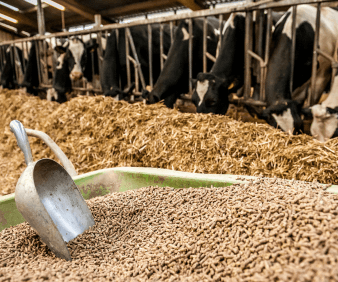

Successfully managing livestock involves continuous change, adaptation, and balance. As the days grow shorter and the veld's brightness fades, the cooling air signals the yearly transition from summer to winter. Along with these seasonal changes, farmers need to adjust their feeding programs to compensate for the decreased quality and availability of natural grazing. Without such adjustments, maintaining the health, performance, and productivity of their livestock becomes impossible. Implementing a strategic winter feeding program is essential to ensure that the nutritional needs of the animals are met, which in turn supports optimal body condition, reproductive success, and overall productivity throughout the winter months and into the following green season.
In extensive livestock systems, farmers have the benefit of using natural grazing as a source of crude fiber, the main feed component required by ruminants. However, optimally using this resource requires excellent management and the purposeful implementation of a good quality winter feeding and supplement program. South African soils are naturally low in phosphorous, meaning that this nutrient needs to be supplemented year-round, however as winter sets in, it becomes increasingly important to adjust the supplementation program to compensate for the altered nutrient composition of the grazing. It is well known by any extensive livestock farmer that during the summer and early winter, natural grazing provides ruminants with sufficient protein and energy to meet their needs. However, as the grazing matures after the growing season, its protein content decreases while fiber content increases, resulting in decreased digestibility and an overall nutrient deficiency. This is where supplement feeding becomes essential.

Lick supplementation unfortunately comes at a significant financial cost to the farmer. This is why it is crucial to know which nutrients are deficient during the different winter stages, to supplement the correct nutrient at the appropriate time. For animal production purposes, winter should therefore be divided into two periods: early and late winter. During early winter, the primary energy source for grazing animals is low-quality veld grass. As the grazing matures, its fiber content increases while the protein content decreases, leading to reduced digestibility and overall nutrient deficiency. Protein supplementation in this period is therefore essential, especially for pregnant breeding cows, as the natural veld can no longer meet their nutritional needs. As winter progresses into the late period, the available forage on the veld declines in both quality and quantity. By late winter, the forage can no longer supply sufficient energy, and protein supplementation alone may not be adequate. During this time, livestock is often in energy-intensive stages of life – such as pregnancy, lactation, or growth – and the natural grazing in its mature stage simply cannot meet the high energy requirements, even if sufficient protein is provided through licks.
A common misconception regarding winter licks is that their primary purpose is to replenish the nutrient shortages of the natural veld. While they also serve this purpose, the focus should instead be on the optimal management of rumen microbes, which naturally address these deficiencies. By ensuring a healthy, functional rumen, farmers can maximize the utilization of available grazing, creating a nutritional source for the animals rather than only relying on expensive feed supplements. When properly managed, between 60% and 90% of an animal's protein needs can be met by microbial protein. Nevertheless, protein remains an indispensable component of a good lick supplement, despite being one of the costliest components. Farmers often reduce protein levels to cut costs, but the rumen microbes require protein—particularly nitrogen—to effectively digest forage. Proper supplementation increases forage intake, aids with digestion, and ensures that the energy requirements of the animal are met.
The amount of protein supplemented in the winter should be sufficient to ensure the rumen microbes are not affected and can still produce heat from the feed. Proteins can be supplemented in the form of lupines, fish meals, soya, cotton, or sunflower cake meal, as non-protein nitrogen (NPN), or in combination. Urea, a non-protein-nitrogen source is a highly economical protein source that can replace most of the natural protein in winter licks. Feeding urea in excessive amounts can, however, be toxic to both sheep and cattle. It is therefore recommended that sheep get no more than 15g per animal per day and cattle no more than 100g per animal per day. In addition to this, sulfur supplementation is needed for the formation of sulfur-containing amino acids in the rumen, with a recommended ratio of 2.5 kg of sulfur for every 50 kg of urea supplemented.
In terms of energy supplementation, energy can be provided in the form of fats or carbohydrates, however, an easily fermentable energy source must be available to ensure optimal urea utilization. All grains and grain derivatives are energy sources, with maize and molasses being the most commonly used. When the intake of energy supplements is very high, it can unfortunately have a negative effect on the fibre-digesting microbes in the rumen, potentially leading to reduced feed intake. Therefore, it is crucial to first ensure that the animal's protein demand is met before administering energy supplements. This approach helps maintain optimal rumen health and overall nutrition.
The effective functioning of rumen bacteria is vital for maintaining the health and productivity of ruminants. By focusing on the management of these microbes, the digestibility of low-quality roughage increases, leading to a rise in available nutrients. Moreover, rumen microbes themselves serve as a significant source of protein and energy for ruminants in the form of microbial protein, enhancing nutrient intake even on good-quality grazing. When a supplement is formulated in such a way that it provides the correct ratio of nutrient sources to microbes, along with its gradual release over time, it results in a faster increase in rumen microbes. This leads to better utilization of roughage, more microbial protein, improved animal health, and increased reproduction under the same conditions.
The role of phosphorus (P) in cattle nutrition is crucial, as it is essential for most metabolic processes, including feed-to-energy conversion and body tissue development. While phosphorus is primarily a wet-season supplement, it also needs to be provided during winter. Research has shown that cows given phosphorus-containing licks in winter produce more milk in the following wet season compared to those who did not receive phosphorus during winter. This is because cows either stored phosphorus in their bones for later use or experienced less phosphorus depletion from their bones during the dry season. Therefore, winter phosphorus supplementation helps cows transition to the wet season, ensuring they receive adequate nutrients when feed quality improves. Essential trace minerals, such as copper, manganese, and zinc, are also crucial as they significantly influence fertility. Additionally, vitamins like Vitamin A, which may be deficient in winter grazing, must be sufficiently supplemented to prevent health and reproductive issues. Also ensure animals have access to clean, fresh drinking water as inadequate water intake can suppress feed consumption, impacting overall health and productivity.

The timing of winter licks is crucial to improving and maintaining the health and condition of breeding animals. Poor management can lead to decreased condition and weight, directly affecting fertility and conception rates during the mating season. Unfortunately, because climatic conditions and pasture types vary greatly between regions, a 'one size fits all' feeding strategy is not possible. A good indication of when to start winter licks is, however, when the pasture begins to seed. After a dry year followed by good rains, it may be necessary to start earlier. Supplementation should then be gradually adjusted as the quality of the pasture decreases towards the peak of the winter season. It can take two to three weeks for the rumen’s microflora to adapt to new feeds, especially grains, therefore, new rations should be introduced timely and over a couple of weeks.
The quantity of feed given to livestock will depend on the availability and quality of food sources. Under normal conditions, the type and amount of supplementary feed required are determined by the quality and amount of available grazing, the age, and weight of both reproducing and young animals, whether they are pregnant or lactating and the stage thereof, if it is a single or multiple pregnancy, and also the cost of the supplements. The poorer the roughage or its availability, the higher the lick intake in ruminants. It is also important to monitor lick intake as a means of determining when to move animals to fresh grazing camps.
Supplementary feeding, when executed correctly, ensures a balanced diet for livestock, leading to increased intake of roughage from veld or pastures and significantly improving overall animal performance. Financial investments in dry-season supplementation yield substantial rewards, including higher milk production, better-calving percentages, and improved conception rates in the subsequent green season. Neglecting winter veld supplementation can severely impact animal health and productivity, as the supplements provided during this time are crucial for minimizing weight loss in breeding animals and ensuring cows calve in good condition, which maximizes conception rates in the next breeding season. It is equally important for cattle farmers, particularly stud farmers, to maintain their bull herd's condition and health throughout winter to ensure optimal fertility and body condition for the mating season in spring and summer. Prioritizing winter supplementation and effective management practices is essential for securing the long-term health and productivity of livestock operations.


