


Preparation of female animals for auctions
Auctions... a significantly large yet sometimes underrated component of the
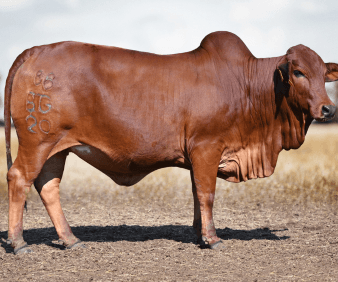

Auctions... a significantly large yet sometimes underrated component of the South African cattle industry. Livestock auctions are one of the most crucial marketing channels available to farmers, providing them with the opportunity to dispose of surplus animals, while giving buyers the chance to acquire a variety of animals to enhance their own herds. Beyond this, auctions also serve as a valuable way for farmers to gauge trends in the beef market at any given time. The success of an auction is heavily influenced by the quality and appearance of the animals being presented. The better the animals look, the greater the demand to buy – naturally leading to increased sales. This cycle is the driving force behind auction preparation, where animals are conditioned to their highest quality to maximize sales.
The process of preparation differs across animals and among farmers. For instance, the approach to getting bulls ready significantly differs from that of female animals. Since we have discussed bulls in our previous issue, this article centres on the optimal preparation of female animals for auctions. In various respects, this mirrors the process for bulls, as they share several key aspects. The physical condition, health, genetic potential, and reproductive capabilities of a cow or heifer all factor into buyers' decision-making during auctions. Consequently, these factors should be the focus of auction preparation procedures.

Female animals presented at auctions must first and foremost be strong and in good physical health, free from diseases or injuries. The medical facet of auction preparation holds paramount significance. Beyond guaranteeing the well-being of the animals, sellers are tasked with ensuring that the animals being offered have received all necessary vaccinations in accordance with the proper schedule - well in advance of the auction. Certain vaccinations, such as those for Rift Valley Fever, Foot-and-Mouth Disease, Bovine Viral Diarrhoea, and Three-Day Sickness, can trigger an immune response that might result in spontaneous abortions in pregnant cows. As a result, these vaccinations should be administered within the final 30 days before breeding. However, for cows that have already given birth prior to the auction, it's advisable to delay these vaccinations until at least 30 days after calving. Additionally, it's crucial to recognize that these "live" vaccines should ideally not be administered concurrently. Thus, the timing of the auction relative to the breeding season should be considered when planning the vaccination regimen.

Parasite control, both internal and external, is also crucial for presenting animals in good condition and high performance. Liver fluke, in particular, is a concerning internal parasite that interferes with normal hormone production, potentially leading to poor weight gain and animals failing to come into heat. Moreover, infected cows often produce less milk. Hence, a robust parasite control program is an essential aspect of successful auction preparation. Testing for reproductive diseases is non-negotiable; buyers need to ensure that any animals they consider have been tested for the necessary reproductive diseases and insist on the physical test results or even the herd's history.
A good practice for sellers is to allow heifers to walk a daily two-kilometer distance at a steady pace for about three months before an auction. This allows sellers to identify and address any injuries, hoof or joint problems. Furthermore, it also ensures that the additional feed provided does not result in overfat cows. This practice is especially important for cows fed in feedlots with minimal movement, as they are more prone to "pigeon toes."
One of the largest and most controversial aspects of auction preparation is the issue of supplementary feeding. It's a fact that well-fed animals exhibit better and achieve higher auction prices than their slightly leaner, underfed counterparts. Supplementary feeding before the breeding season is critical, as cows face an energy-intensive and potentially stressful period. A cow needs enough fat reserves to sustain herself and her growing fetus throughout the gestation period, and then she must still have enough reserves to nourish her calf and recondition herself. However, improper and excessive feeding of cows before an auction can have disastrous consequences. Overfat cows and heifers that are pregnant often produce calves that have unnecessarily grown large in utero and may also have excessive fat in the birth canal. Such animals have an increased risk of calving difficulties, severe injuries, and stillbirths. After a difficult birth, the calves are often too weak to nurse, and the cow's or heifer's uterus will take significantly longer to recover, meaning reconditioning will take longer.
Overfeeding is potentially detrimental even for non-pregnant animals; overweight female animals often fail to come into heat and consequently don't become pregnant. This leads to lower calving percentages for the farmer and lower profits. Cows with high body condition scores during dry and lactating periods also have a greater risk of suffering from fatty cow syndrome, a condition that causes poor reproductive performance and reduced herd fertility. Fatty cow syndrome, also known as "pregnancy toxaemia," is a phenomenon where overfat cows experience a sudden negative energy balance and increased fat breakdown during the last two months of pregnancy for some reason. The buildup of broken-down fat can then reach such levels in the liver that the liver can no longer function properly. The animals often suffer from mastitis, ketosis, uterine inflammation, displaced abomasums, suboptimal milk production, milk fever, acidosis, and retained placentas.
What sometimes happens is that sellers overfeed their female animals before an auction to make them look good and sell easily. These already overweight animals, whether already pregnant or shortly before pregnancy, will then build up additional conditions during pregnancy. In an attempt to achieve lighter calves at birth, farmers may sometimes put these cows on a lower-quality diet that is lower in energy, causing this syndrome. There is a correlation between the signs of fatty cow syndrome and cows with condition scores of more than 3.5, so cows should enter the dry period with a condition score between 3.0 and 3.5, but never exceeding 4. A sudden change in diet can also potentially cause the syndrome, so well-fed cows suddenly placed in the field after being sold are also at risk of suffering from it. How, what, and how much you feed your female animals, whether pregnant or non-pregnant, before an auction are therefore critically important and should be approached with care.
Aside from its effect on reproductive aspects, supplementary feeding in preparation for an auction can also have significant adverse effects on the rumen. When the supplementary diet is too hot - meaning high in fermentable and carbohydrate-rich energy sources - and introduced too rapidly, it inflicts considerable damage on the digestive system. This metabolic disease is called rumen acidosis. In such a case, the cow's rumen will produce excessive acids without the rumen microbial system being able to adapt systematically. This causes irreversible damage to the lining of the rumen, responsible for nutrient absorption. Consequently, an animal will eventually exhibit decreased appetite and deteriorating condition. In severe or advanced cases, animals might even die from this condition.
However, it is possible to get your animals auction-ready and in good condition in a way that minimizes the risk of rumen acidosis; the key aspect is ensuring that the additional feeding of your female animals occurs over an extended period, so the animals can gradually gain condition and the rumen is not overwhelmed by sudden high-energy-source additions. Experts suggest that animals destined for auction should be put on a protein and energy deficit for as long as 6 months beforehand, with a good quality roughage still making up the majority of the ration. Around 3 months before the auction, the ration can be adjusted to accommodate a higher proportion of high-energy feed to optimize their condition, as well as to compensate for the "exercise" that bulls undergo during that time to become fit. Three weeks before the auction, supplementary feeding can gradually be scaled down, and a digestion modifier like BrowsePlus can be added. This will help the cow adjust more easily from the field and feeding conditions she's accustomed to where she's being moved to.
Another aspect of auction readiness that requires attention is practices related to stress management. At all stages before, during, and after pregnancy, cows are susceptible to stress and its consequences. Excessive stress due to transportation to and from an auction can have negative effects on a cow's reproductive performance. Embryos are highly sensitive to stress and can be easily reabsorbed, while fetuses have a greater likelihood of being aborted in later stages of pregnancy. Stress can also lead to reduced appetite, loss of condition, and suppression of the immune system, rendering animals more susceptible to diseases. Extreme consideration should thus be given to the transportation and handling practices of female animals during auctions. Furthermore, time planning should be a part of auction preparation. The auction should align with the breeding season, meaning it should take place at a time when the female animals being offered are not close to calving. The last thing a seller wants is for their cows to calve just before or during the auction. Animals that have recently calved require significant additional attention and care to ensure the calf's health, which is often not feasible amidst the chaos of an auction.

The successful preparation of female animals for auctions plays a pivotal role in enhancing their health and reproductive performance. It involves meticulous medical care, effective parasite management, well-planned supplementary feeding, and thoughtful time management. If farmers attend to the handling and preparation of female animals, auctions can contribute significantly to the success of the South African cattle industry. This focus on essential aspects will ensure that female animals are healthy and ready for the auction, thereby creating an excellent opportunity for buyers to acquire valuable animals. With thorough planning and care, auctions will remain an indispensable component of our cattle industry in the future.


