


Preparing Stud Bulls for Auction. Key Considerations and Best Practices
When preparing stud bulls for auction, a comprehensive approach
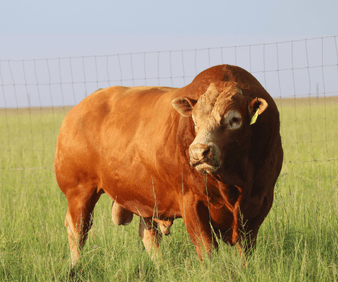

When preparing stud bulls for auction, a comprehensive approach is crucial to ensure their optimal performance, health, and market value. In this article, I will delve into the essential aspects of bull preparation, including the functioning of the rumen, transitioning from veld to high-energy diets, preparation timelines, and the risks of overfeeding power feed and protein.
Understanding the Rumen and Dietary Adjustments
The rumen plays a pivotal role in the digestion and nutrient absorption in cattle. It houses a complex microbial ecosystem that ferments fibrous plant material, converting it into volatile fatty acids, which are crucial energy sources for the animal. When transitioning bulls from veld, which is characterised by fibrous, low-energy forage, to concentrate feeds, it is essential to do so gradually. This gradual change allows the rumen microbiota to adapt without causing digestive disorders such as acidosis or bloat.
A study by Li Fanghai (2019) underscores the importance of balanced nutrition, combining concentrated feeds like corn, black soybeans, and soybean cakes with roughage such as straw and green grass. This approach not only supports optimal digestive health but also enhances reproductive capacity and overall resilience (Li, 2019).
Transitioning from Veld to High-Energy Diets
To ensure a smooth transition, start preparing bulls six to seven months before the auction. Initially, start with small amounts of high-energy feeds while maintaining a high proportion of veld forage. Gradually increase the proportion of high-energy feed as the bulls' rumen microbiome adjusts. This period also allows for monitoring and mitigating any adverse reactions. It is advised to slowly remove energy food and increase veld forage to help the bull adapt to his new environment after the auction.


Risks of Overfeeding Power Feed and Protein
While high-energy feeds are essential for improving the bulls' condition and market readiness, overfeeding can be detrimental. Excessive power feed intake can lead to metabolic disorders such as acidosis and laminitis. These conditions not only affect the bulls' health but also their performance and market value. Research by Franken and Purcell (2012) highlights the need for balanced feeding strategies that align with the genetic traits and breed-specific requirements of the bulls (Franken & Purcell, 2012).
Optimal Preparation Timelines
Starting the preparation well in advance, ideally, six to seven months before the auction, allows for a controlled and gradual dietary transition. Regular health checks, grooming, and environmental management are also crucial. Managing your auction bulls and providing them with good shelter and quality feed can significantly reduce the incidence of health issues and improve reproductive capacity.
Proper preparation of stud bulls for auction involves a meticulous approach to dietary adjustments, health management, and genetic trait optimisation.
Enhancing Market Value Through Genetic Traits
Genetic traits play a significant role in determining the market value of stud bulls. Research in the United States indicates that buyers prioritise traits such as birth weight, growth rates, and carcass qualities. Hedonic pricing models, as discussed by Stephens (2015), reveal that performance indicators like Average Daily Gain (ADG) and birth weight are critical to buyers (Stephens, 2015). Additionally, Turner et al. (2004) found that ultrasound Expected Progeny Differences (EPDs) significantly impact bull prices, with buyers considering both actual weights and genetic predictions (Turner et al., 2004).
In South Africa, we see a growing emphasis on fertility, milk production, and average daily gains within the stud market. Although we still have a long way to go with our Estimated Breeding Values (EBVs), there is already a noticeable shift toward prioritising these traits.
By understanding the rumen's function, transitioning diets gradually, and focusing on balanced nutrition, breeders can enhance the bulls' performance and market value. Awareness of the risks associated with overfeeding and focusing on genetic traits will ensure successful auction outcomes.
Sources:
Li, F. (2019). The importance of balanced nutrition in cattle.
Franken, J., & Purcell, W. (2012). Balanced feeding strategies for cattle.
Stephens, M. (2015). Hedonic pricing models in cattle auctions.
Turner, J., et al. (2004). Impact of ultrasound Expected Progeny Differences (EPDs) on bull prices


