


Rain or Ruin: How Extreme Weather is Reshaping South African Farming
6 min read|
⏳ 5-6 min - Estimated read time In farming, rain
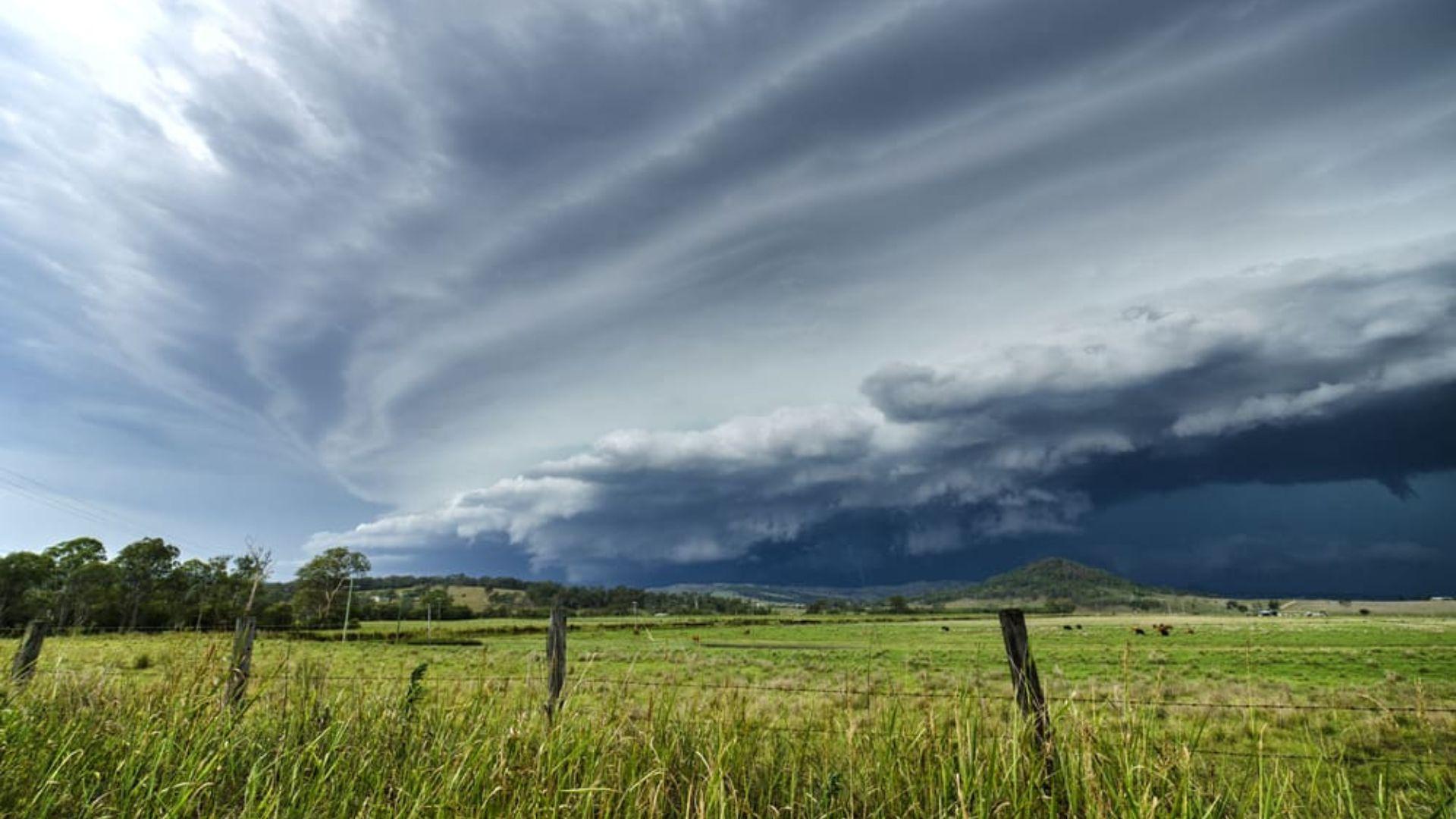

In farming, rain has always been both a lifeline and a threat. Too little, and crops wither. Too much, and fields drown. As South Africa heads into the 2025/26 agricultural season, shifting weather patterns and a forecasted La Niña event are once again testing the resilience of the country’s farmers.
Climatologists warn that climate volatility is intensifying, bringing unpredictable rainfall, rising temperatures, and weather extremes that make agricultural planning increasingly difficult. With these changes, crop insurance and climate-smart practices have become essential tools for survival.
Drier Winters, Wetter Summers
According to Dr Johan Malherbe, senior researcher in climate science at the Agricultural Research Council, the Western Cape’s winter rainfall season has ended on a distinctly dry note.
“Most of the Swartland received less than 20 mm of rain between 30 August and 28 September, and some areas recorded below 5 mm,” Malherbe said during a Land Bank Insurance Company (LBIC) crop webinar held on 30 September.
Vegetation data confirm the trend, showing below-average activity across large parts of the province — an early warning sign for winter grain yields in the Garden Route and south-eastern coastal zones.
In contrast, the summer rainfall regions of South Africa are facing the opposite scenario. Global climate agencies, including the NOAA Climate Prediction Centre and the International Research Institute for Climate and Society, forecast a 60–70% chance of La Niña conditions forming — a pattern typically associated with above-average rainfall across the interior and north-eastern parts of the country.
“Most models indicate a wetter-than-normal December–February period,” Malherbe noted. “This could boost soil moisture and grazing but also increase the risk of flooding.”
Farmers Urged to Prepare for La Niña
At a national media briefing on 30 September, the South African Weather Service (SAWS) echoed this forecast, predicting above-normal rainfall across much of the country through midsummer.
Cobus Olivier, a SAWS climate scientist, said the pattern could bring much-needed relief to crop and livestock producers — particularly in Gauteng, KwaZulu-Natal, the Free State and North West.
“For South Africa, this translates into favourable summer rainfall in the north-eastern parts of the country. However, it also increases the likelihood of flooding,” Olivier said. He cautioned that Mpumalanga and Limpopo could experience the reverse — below-normal rainfall leading to dry spells and potential drought stress.
Olivier advised farmers to take proactive measures such as:
- improving field drainage to prevent flood damage.
- Collecting and storing water where possible.
- adopting soil-moisture conservation practices; and
- implementing farming systems that can adapt to either excess or deficit rainfall.

Hotter Days Ahead
The forecast also points to above-average minimum and maximum temperatures across most provinces. This means hotter days, warmer nights, and higher evaporation rates — a mix that places added stress on crops, increases irrigation needs, and can worsen heat stress for farmworkers and livestock.
Only the south-western coastal belt may experience slightly cooler maximum temperatures. While the rainfall will help replenish dams, SAWS warns that water losses from evaporation could offset some of these gains.
Climate Insurance: A New Safety Net
At the LBIC webinar, Herbert Mokoena, provincial manager at the Land Bank Insurance Company, highlighted how agricultural insurance is evolving in response to these climatic realities.
“What once focused on traditional hail insurance now includes index-based or parametric products (an event or index-based insurance, payouts when specific conditions are met, such as certain levels of rainfall/drought or hail) that use climate and soil data to trigger payouts,” Mokoena explained.
These data-driven insurance tools are becoming critical in helping farmers absorb the shocks of extreme weather. By linking payouts to measurable indicators like rainfall, temperature, or soil moisture, farmers can receive support faster — without waiting for physical damage assessments.
Mokoena urged farmers to map their farms, record GPS coordinates, and test their soils before planting, as these data points are now integral to both crop management and insurance eligibility.
“Farmers, before you plant, please test the nutrients, moisture, and texture of the soil. Insurance must now be tied directly to climate and soil modelling,” he said.
From Risk to Resilience
Over the decades, South Africa’s insurance industry has adapted from the broad “multi-peril” models of the 1950s to modern, climate-informed systems. The rise of index insurance mirrors a global trend towards resilience-building through data, modelling, and early-warning tools — often backed by government support in other countries.
As Agbiz chief economist Wandile Sihlobo noted, optimism remains high among farmers heading into the 2025/26 season.
“The weather outlook is positive, with more La Niña-induced rains likely. Tractor sales remain strong, and confidence levels are steady. All else being equal, we’re preparing for another great season,” Sihlobo said. However, he cautioned that animal diseases and flood risks remain persistent concerns.
The Bottom Line
The message from scientists, insurers, and agricultural leaders is clear: the weather is changing and so must farming. With a La Niña weather pattern on the horizon, farmers in the summer rainfall regions may enjoy favourable conditions — but only if they prepare wisely. Meanwhile, those in the Western Cape face another season of dryness, underscoring the uneven impacts of climate change across South Africa.
Rain can be a blessing or a burden. As the 2025/26 season begins, the difference between rain or ruin may come down to how well farmers harness information, adapt their practices, and insure their livelihoods against the storms ahead.


