


The Droughtmaster - A Robust Breed Adaptable Across Continents
“...the Droughtmaster has thrived, earning a reputation for its, functionality,
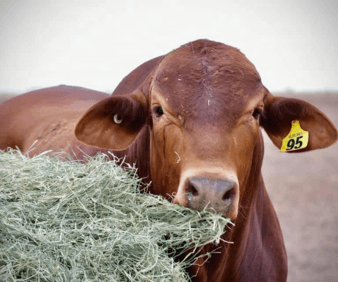

“...the Droughtmaster has thrived, earning a reputation for its, functionality, efficiency and adaptability.”
The agricultural landscape in South Africa is forever evolving, and with it comes the introduction of new robust adapted cattle breeds like the Droughtmaster. This breed, hailing from the rugged country of Australia, is quickly making a name for itself and gaining a lot of ground in the South African beef industry. One of the Australian breeders that played a major role in the Droughtmaster to enter the South African beef market is Darren Childs of Glenlands Droughmasters.

Central Queensland Roots
Darren Childs’ journey with the Droughtmaster breed begins in the heart of central Queensland, inland from Rockhampton, known as the beef cattle capital of Australia. It’s natural cattlecountry, says Childs, highlighting the region’s suitability for raising resilient and adapted cattle. Despite the natural challenges posed by high tick loads, flies, and fluctuating weather conditions, the Droughtmaster has thrived, earning a reputation for its, functionality, efficiency and adaptability.
A Breed Built for Tough Environments
The Droughtmaster breed has been selected over several generations to withstand diverse and often harsh climates. Childs notes the breed’s ability to flourish in a wide range of environmental conditions, from the cold southern regions to the hot, dry northern parts of Australia. This adaptability of the breed is a testament to the Droughtmaster's robustness and versatility, making it an ideal candidate for introduction into other challenging livestock production environments like those found in South Africa.
Adapting to South Africa
Childs expresses confidence in the Droughtmaster’s ability to adapt and thrive in South Africa. The initial genetics introduced into the country have already shown promising results. I was lucky enough to come over to South Africa in those early days, I got to meet a few to introduce the breed, says Childs, recalling his early involvement in the breed’s introduction to South Africa. He emphasises the importance of understanding the environmental challenges that local breeders face and believe that the Droughtmaster is perfectly equipped to meet these demands.
The Importance of Genetics
The strength of the Droughtmaster lies in its genetics, which has been refined over several generations. These prepotent genetics are crucial for ensuring uniformity and predictability in the breed’s characteristics and performance. Childs points out that while South African breeders are doing a fantastic job with the existing genetics, the infusion of fresh genetics from Australia is essential. This will help bolster the breed’s success and ensure that the breed continues to thrive, adapt and perform in the local conditions of Southern Africa.
The genetics that are coming into South Africa are in some ways, more predictable, and reliable that come from generations of purity.


Versatility and Market Demand
The Droughtmaster's versatility is a key factor in its success. In Australia, the breed caters to various market demands, from weaner production, finishing bullocks (oxen) of natural grazing and also in the feedlots. This flexibility allows farmers to adapt to changing market conditions and ensures a steady demand for Droughtmaster cattle. Childs notes the breed’s good feed efficiently on grass or in a feedlot is a critical factor for profitability in any cattle farming operation.
“...The ability of the Droughtmaster to meet different requirements in different markets is the key to it.”


Looking Ahead
As more South African farmers become acquainted with the Droughtmaster, Childs is optimistic about the breed’s future in South Africa. He believes that the breed’s prepotency, predictability, and core characteristics of functional efficiency will quickly win over local cattlemen. The success of the Droughtmaster in Australia, where it has excelled in various competitions and market demands, bodes well for its future potential in South Africa.
In conclusion, the Droughtmaster breed, with its proven adaptability and prepotent genetics, is set to make a significant impact on the South African beef industry. As local farmers continue to explore its potential, the Droughtmaster’s resilience and versatility will undoubtedly help it carve out a prominent place in South Africa’s beef industry.
“...the Droughtmaster’s resilience and versatility will undoubtedly help it carve out a prominent place...”


