


The significance of ticks in South Africa - Part 1
For many countries worldwide, livestock production systems are a crucial
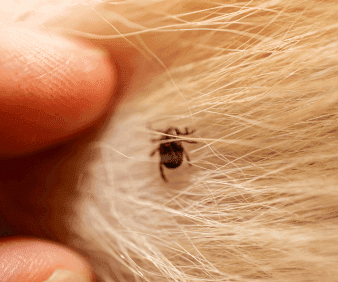

For many countries worldwide, livestock production systems are a crucial part of ensuring food security whilst also significantly contributing to their economic stability. This also rings true in South Africa, where agriculture and livestock production are paramount to the economic well-being of the nation. Unfortunately, the sustainability of cattle production is jeopardised daily by a multitude of factors, one of which is the ongoing battle against ectoparasites. The economic and medical importance of ectoparasites in South Africa has long since been well established due to their ability to transmit disease, leading to significant health implications and, consequently, financial losses. Among the many ectoparasites causing headaches among livestock farmers, ticks are considered one of the most significant. Capable of wreaking havoc on both animal and human health, ticks pose a substantial economic burden on the livestock industry.
Ticks, which are arachnids, parasitize various terrestrial vertebrates, including amphibians, reptiles, and mammals. The effects, of which, will greatly vary depending on both the host and tick species.
Globally, around 900 tick species have been described, of which more than 700 are hard ticks (Ixodidae), and approximately 200 are soft ticks (Argasidae). In South Africa alone, there are 85 hard tick species and 21 soft tick species, each capable of transmitting various pathogens with possibly detrimental effects on their hosts. There are seven major genera of Ixodid ticks in Southern Africa, namely Amblyomma, Dermacentor, Haemaphysalis, Hyalomma, Ixodes, and Rhipicephalus. Tick species economically significant to livestock farmers include:
- Blue ticks. (Rhipicephalus decoloratus and Rhipicephalus microplus)
- Red-legged ticks. (Rhipicephalus evertsi evertsi)
- Bont-legged ticks. (Hyalomma truncatum)
- Brown-ear ticks. (Rhipicephalus appendiculatus)
- Karoo paralysis tick. (Ixodes rubicundus Neumann)
- Bont ticks. (Amblyomma hebraeum)

Ticks affect around 80% of the cattle population worldwide, resulting in estimated global economic losses of 20–30 billion USD per year. In South Africa alone, the financial losses in the livestock industry directly due to ticks and tick-borne diseases are estimated to exceed R500 million each year, making them economically the most significant external parasites affecting livestock.
Livestock farmers in tropical and subtropical countries face significant challenges directly resulting from the financially devastating effects of ticks and tick-borne diseases. Animals can suffer direct harm from heavy infestations, leading to blood loss and subsequent anemia. The bite areas themselves can cause damage to the skin, in some cases leading to skin irritation, inflammation, or secondary bacterial infection at the site of the bite wound. Furthermore, these animals often also exhibit lower live weight gains, decreased milk yields, lower reproduction rates, and an increase in mortality rates. Profits are further diminished due to lower hide qualities.
The greatest losses, however, are due to their ability to transmit protozoan, rickettsial, and viral diseases of livestock. Ticks are widely known vectors of some of the most important disease-causing pathogens of livestock, including babesiosis (redwater), theileriosis (corridor disease, East Coast fever, turning sickness), ehrlichiosis (heartwater), and anaplasmosis (gallsickness). These diseases are common in the cattle industry, and often a major cause for concern with regards to the profitability of livestock enterprises.
Tick saliva plays a pivotal role in the transmission of the pathogens responsible for the diseases mentioned above, significantly influencing the interaction between the tick, the host, and the infectious agents.
Tick saliva is more than just a water medium that carries pathogens; it is an intricate concoction of hundreds of molecules, arguably the most complex saliva of any type of animal. These components perform critical biological functions that facilitate the tick's feeding process while counteracting host defenses. The saliva exhibits cytolytic, vasodilator, anticoagulant, anti-inflammatory, and immunosuppressive activities, which help dampen the host's immune response to ticks and also promote blood flow to ensure adequate feedings.
The salivary glands of ticks – responsible for secreting this essential fluid – also mediate the secretion of cement and hygroscopic components necessary for the tick's attachment and feeding. Pathogens utilize the saliva's multifaceted properties to enhance their transmission in a process known as saliva-assisted transmission (SAT). This exploitation allows pathogens to be transmitted when infected ticks feed on a susceptible host or when uninfected ticks feed on an infected host. Additionally, recent studies suggest that exosomes, extracellular vesicles in tick saliva, may play a role in this transmission process.

Because of this, effectively implementing comprehensive tick-control strategies is imperative for maintaining the profitability and sustainability of livestock operations. Efficient tick control enables profitable stock farming; without it, it would be nearly impossible to successfully farm with cattle in the regions of South Africa where high tick populations exist. Traditional methods alone - such as using chemical ectoparasiticides - are oftentimes ineffective due to factors like resistance, chemical residues, and the high associated costs. Achieving a successful tick-control program hinges on the integration of comprehensive data on tick biology, behavior, and species occurrence in a given area, as well as insights into product selection, control strategies, and seasonal variations.
Understanding the biology and behavior of tick species is crucial for implementing effective control measures; different ticks have varying life cycles and host preferences, necessitating a tailored approach. One-host ticks, for instance, would require strategic dipping programs to target peak populations during specific seasons, while multi-host ticks demand winter and summer treatments to mitigate their impact. Furthermore, identifying tick species endemic to a particular farm allows for targeted control measures, reducing the risk of tick-borne disease outbreaks and minimizing damage to livestock. By reducing tick populations, farmers can alleviate the economic burden associated with tick infestations and improve overall herd health and productivity.
Education and awareness initiatives are also essential for empowering farmers with both the knowledge and resources needed to combat and prevent the damage due to tick infestations effectively. Proper knowledge of parasite identification, seasonal occurrence, and appropriate control methods will enable livestock farmers to make informed decisions that safeguard their livelihoods and contribute to the resilience of South Africa's livestock industry.
The economic impact of ticks and tick-borne diseases on South Africa's livestock industry is overwhelming, greatly exacerbating the already high economic strain on farmers.

Despite the significant threat they pose to the sustainability and profitability of cattle production in South Africa, the economic and health impacts of ticks and tick-borne diseases can effectively be mitigated by prioritizing locally tailored tick-management strategies and fostering collaboration between farmers, researchers, and policymakers - ensuring the continued prosperity of its livestock industry.
While this article has provided a broad overview of the challenges posed by ticks, it is merely a starting point. To truly tackle these issues, we must delve deeper into the specifics of individual tick species and the diseases they cause. In our upcoming article, we'll turn our attention to the African Blue tick. We'll delve deeper into the distribution, identification, pathogen-host relationship, and the intricate relationship between host and pathogen, facilitated by this tick species, as well as actionable strategies for effective management. Through this detailed exploration, we aim to empower farmers with the insights and tools needed to proactively manage these pests, thereby promoting the health and well-being of their livestock. Stay tuned as we delve into the specifics of combating this significant agricultural pest and safeguarding livestock health.


