


The Significance of Ticks in South Africa Part 5: The Bont-Legged Tick
In the African savannas there are four notable Hyalomma
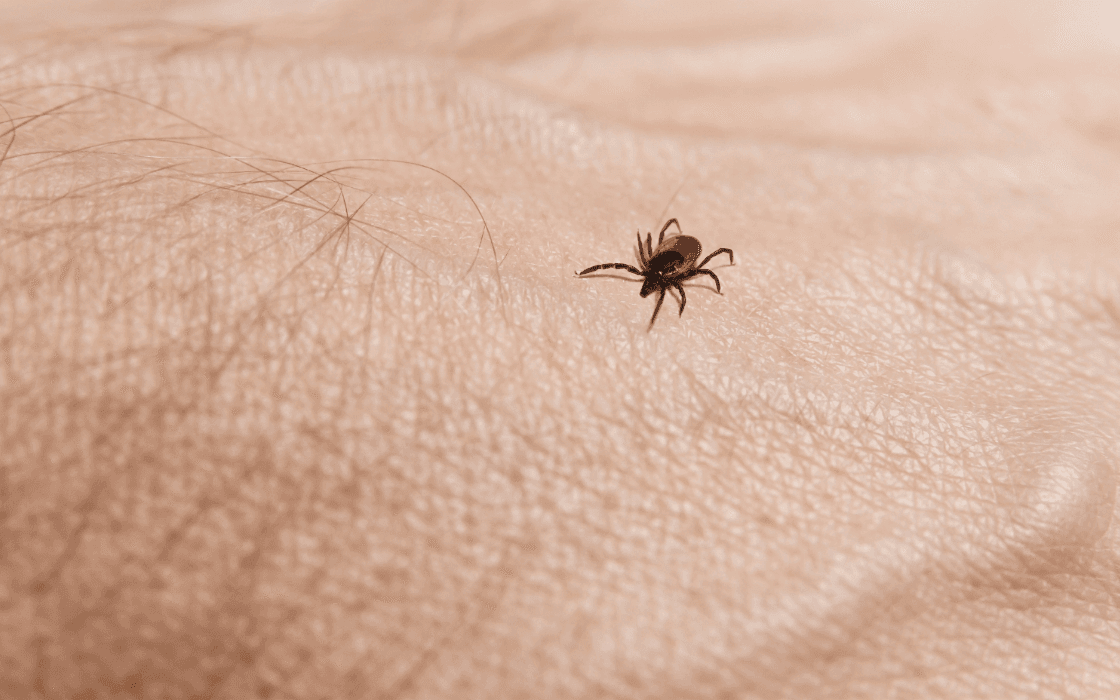

In the African savannas there are four notable Hyalomma species, including H. truncatum, H. albiparmatum, H. impressum, and H. nitidum, contribute to the burden of tick-borne diseases on livestock and wildlife. Among these, H. truncatum is particularly notorious for transmitting a variety of pathogens, including the Crimean-Congo hemorrhagic fever virus, Coxiella burnetii (Q fever), Rickettsia aeschlimannii, and Rickettsia mongolotimonae. The presence of Hyalomma turanicum in South Africa poses a significant threat to the livestock industry, as these ticks are vectors of diseases that can severely impact animal health, productivity, and the economic sustainability of livestock farming.
In the African savannas there are four notable Hyalomma species, including H. truncatum, H. albiparmatum, H. impressum, and H. nitidum, contribute to the burden of tick-borne diseases on livestock and wildlife. Among these, H. truncatum is particularly notorious for transmitting a variety of pathogens, including the Crimean-Congo hemorrhagic fever virus, Coxiella burnetii (Q fever), Rickettsia aeschlimannii, and Rickettsia mongolotimonae. The presence of Hyalomma turanicum in South Africa poses a significant threat to the livestock industry, as these ticks are vectors of diseases that can severely impact animal health, productivity, and the economic sustainability of livestock farming.
In this article, we will specifically explore the Bont-legged tick (Hyalomma turanicum), examining its identification, distribution, life cycle, attachment sites, and the diseases it transmits. Understanding these aspects is essential for effective management and control strategies to mitigate their impact on livestock.
Identifying the Bont-legged Tick
Identifying Hyalomma turanicum is facilitated by several distinct features that make them make them easily identifiable in the field. They have dark brown bodies with long, banded legs, and long palps and hypostomes. The banded legs, which are a distinctive feature of this species, help in differentiating them from other tick species found in similar habitats. Furthermore they also have very prominent and beady eyes. Hyalomma ticks are typically moderately large to large, equipped with long mouthparts that facilitate deep attachment and feeding. These long mouthparts are particularly notable, as they can cause significant damage to the skin of their hosts, potentially leading to secondary infections. This relatively large tick is notorious for its active and aggressive behaviour. Unlike some tick species that rely on passive methods to find hosts, Bont-legged ticks are known for their active host-seeking behaviour. Adult ticks will scuttle out of hiding places, such as burrows or shaded areas, to attach to passing animals. This aggressive host-seeking behaviour increases their chances of coming into contact with livestock.
Distribution
Hyalomma turanicum is prevalent in arid and semi-arid regions of eastern, central, and southern Africa. They are well-adapted to dry environments and can be found in various habitats ranging from grasslands to savannas. The wide distribution of this tick species across different ecological zones highlights its adaptability and resilience. In South Africa, the distribution of this tick species is influenced by climatic conditions, vegetation types, and the presence of suitable hosts.

The Bont-legged tick is particularly common in regions with long dry seasons, which provide ideal conditions for its survival and reproduction. These ticks are adapted to harsh environments and can survive in areas with minimal vegetation cover. This adaptability allows them to thrive in various habitats, including those with sparse vegetation and limited water resources. The geographical distribution of Hyalomma turanicum includes regions with varying altitudes, from lowland areas to higher elevations, indicating its ability to adapt to different environmental conditions.
Life Cycle
The genus is known for its complex life cycles, predominantly featuring a three-host cycle, although some species exhibit either one- or two-host cycles, showcasing a unique facultative ability within this ixodid genus.
The Bont-legged tick, however, exhibits a two-host life cycle. The larvae and nymphs attach to the same host, typically birds, hares, and rodents, where they feed for about 5-7 days before moulting to the next stage. After moulting, the adult ticks seek larger hosts such as cattle, horses, sheep, goats, and wild herbivores. They attach to their preferred hosts, feed for 5-7 days, drop off, and start egg laying. Females lay between 10,000 to 15,000 eggs, which take up to 3 months to hatch into larvae. This life cycle, stretching over a one-year period, ensures that the ticks can complete multiple generations within a year, contributing to their persistence in the environment.
The life cycle stages of Hyalomma turanicum are critical to understanding its population dynamics and the timing of control measures. The larval and nymphal stages are typically found on smaller hosts, such as birds and small mammals, which provide the necessary nutrients for their development. These stages remain on the same host, which helps in maintaining the tick population within specific areas. The adult ticks, on the other hand, seek out larger hosts for feeding and reproduction. This transition from small to large hosts is essential for the completion of the life cycle and the continuation of the tick population.

Hosts and Attachment Sites
While larvae and nymphs typically infest smaller animals like birds, hares, and rodents, adult Bont-legged ticks prefer larger hosts such as cattle, horses, sheep, goats, and various wild herbivores. This transition from small to large hosts is essential for completing their life cycle.
The Bont-legged tick also attaches to specific sites on their hosts. These sites include the tail brush, perineum, genitalia, and between the hooves. These areas provide optimal conditions for feeding and reproduction. The choice of attachment sites is influenced by factors such as the availability of blood vessels, the ease of access for the tick, and the level of protection from external disturbances. The attachment sites chosen by Hyalomma turanicum are typically areas where the skin is thinner and blood vessels are closer to the surface, facilitating efficient feeding.
The attachment sites also play a role in the transmission of pathogens. The proximity of these sites to vital organs and major blood vessels increases the likelihood of pathogens entering the host's bloodstream and causing systemic infections. The damage caused by the tick's long mouthparts can lead to secondary bacterial infections, which further complicate the health status of the host. The constant irritation and feeding at these sites can result in significant stress and discomfort for the animals, affecting their overall health and productivity.

Diseases Transmitted
The Bont-Legged Tick is a vector for several significant diseases. The adult ticks excrete toxins that cause sweating sickness, particularly affecting young calves. This condition is characterized by excessive sweating, weakness, and, in severe cases, death. The economic impact of sweating sickness on livestock production can be substantial, as affected animals may experience reduced growth rates, decreased milk production, and increased mortality.
Due to their long mouthparts, tick bites can lead to skin damage, bacterial infections, abscesses, lameness, and foot rot. These conditions result from the physical trauma caused by the tick's feeding activity and the introduction of pathogens into the wounds. The presence of ticks on animals can lead to chronic health issues, requiring ongoing veterinary intervention and management. The impact on livestock productivity can be significant, with reduced weight gain, lower milk yields, and increased veterinary costs due to the need for treatment and management of tick infestations.
Hyalomma turanicum also transmits several diseases that directly affect livestock health and productivity. Babesia caballi, the causative agent of equine piroplasmosis, is transmitted by these ticks and can lead to severe illness in horses, characterized by fever, anaemia, and jaundice. The economic implications of equine piroplasmosis include decreased performance in working horses and increased costs associated with treatment and management of the disease.
Prevention and Control
Effective control of Hyalomma turanicum involves strategic management practices tailored to the specific needs of livestock production systems. Regular and strategic dipping of animals can help reduce tick populations. Dipping involves immersing animals in acaricide solutions to kill ticks on their bodies. This method is particularly effective in reducing tick infestations on large numbers of animals.
Spot treatment, where acaricides are applied directly to tick attachment sites, can also be effective. This method targets specific areas where ticks are most likely to attach, reducing the overall tick burden on the animal. Spot treatments are useful for managing localized infestations and minimizing the risk of disease transmission. During peak seasons, increasing dipping intervals is essential to manage tick numbers effectively. Peak tick activity typically occurs during the wet summer months when environmental conditions favour tick reproduction and survival. Increasing the frequency of acaricide treatments during these periods can help break the tick's life cycle and reduce population levels.
Specific treatments for calves should include dipping the tail brush to reduce tick attachment. Calves are particularly vulnerable to tick infestations due to their smaller size and developing immune systems. Ensuring that all areas of the body, including the tail brush, are treated with acaricides can help protect young animals from the harmful effects of ticks. In addition to chemical control methods, integrated pest management (IPM) strategies should be implemented. IPM involves combining multiple control methods, including biological control, habitat management, and the use of resistant livestock breeds. Biological control agents, such as natural predators and parasites of ticks, can help reduce tick populations without relying solely on chemical treatments. Habitat management, such as maintaining vegetation cover and controlling wildlife hosts, can also reduce tick abundance.


