


The transition from winter feeding to spring feeding
It goes without saying that the nutritional needs of
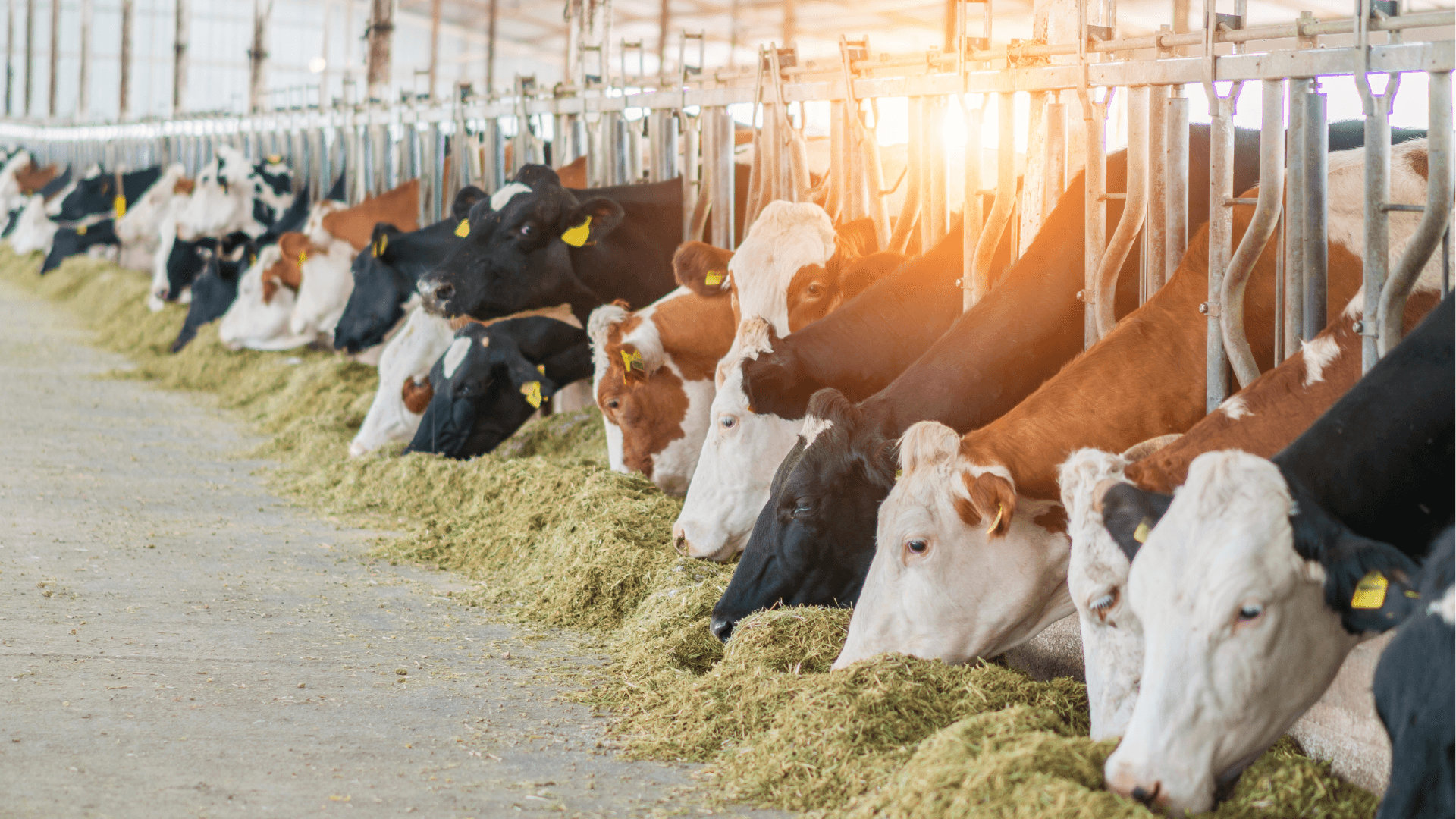

It goes without saying that the nutritional needs of livestock will vary depending on where they are in their production cycle. It is equally evident that the resource composition and its nutritional offerings differ from farm to farm, particularly from one season to another.
It is therefore essential that supplementary feeding takes place in accordance with the production stage in which an animal finds itself, as well as with the available resources and that which they have to offer.
From both an economic and production perspective, it is crucial that the only supplementation provided should be those that complements production or compensates for resource deficiencies. Farmers should prioritize utilizing veld (natural pasture) as the primary source of nutrition, while strategically implementing supplementary feeding to maintain optimal body condition at each stage of production. It is essential to adapt the approach according to the changing seasons. As spring approaches and winter ends, we will focus on what the transition from a winter-based supplementing regimen to a spring-based supplementing regimen looks like, and where changes should be made.

In wintertime, much of the natural veld that occurs in South Africa has reached a point of very low nutrient availability. As the grazing matures, the fibre content increases and the amount of available protein decreases, resulting in a decrease in overall plant digestibility and subsequently a lower contribution of nutrients to the grazer. In addition to this, the palatability of the grazing also declines, causing the animals to naturally consume less thereof. The decreased intake of low-quality roughage often results in animals whose maintenance requirements cannot be met and, as a result thereof, lose condition.
Furthermore, most cattle herds in South Africa are bred during the summertime, meaning that cows will be pregnant throughout the winter, further increasing their nutritional needs. These cows will calve in spring, having produced colostrum during the winter. If the winter feed was of inadequate quality, the quality of the colostrum and therefore health and growth potential of the calves are suboptimal. Better colostrum quality translates to heavier calves at weaning, and a higher weaning percentage. During wintertime, development of the ova in preparation for conception in summer also occurs; a cow in poor condition will thus have reduced numbers of lower-quality ova, which decreases the chances of successful conception. A successful production cycle for the following season therefore begins during winter, necessitating the need for good winter-feeding practices.
If you fail to get winter feed right, you will enter summer with cows in poor condition, causing an overall decrease in production.
Supplementary feeding in the winter is therefore a must to prevent this dip in production. Lick supplements are essential to address the protein and energy needs of commercial herds during the winter. Protein supplements play a vital role in stimulating the rumen's microbial population, thereby enhancing its potential for digestibility, and increasing voluntary feed intake. Particularly suitable for grassland areas, these supplements exist naturally in the form of lupines, fish meal, soya/cotton/sunflower cake meal, or as NPN (non-protein nitrogen) sources such as urea. The urea given to ruminants is completely broken down to ammonia in the rumen - a crucial component for the increase and growth of the fibre digesting bacteria found there. The presence of these bacteria will maximise the digestion of the high fibre-content grazing. Excessive amounts of urea can, however, be toxic to animals, therefore it is crucial that they first be given a salt lick to prevent over consumption of the protein lick.
Depending on the production stage of the animal, a protein lick alone might not be sufficient to meet all their needs during the winter.
For young, growing animals as well as pregnant and lactating animals an additional source of energy might also be necessary during the winter. All grains and their derivatives serve as sources of additional energy, with maize and molasses being the most commonly used options, however energy or production licks can also be supplied. There is a risk, however, that the excessive intake of energy supplements may negatively impact the fibre-digesting organisms in the rumen, potentially leading to reduced feed intake. In grassland regions, it is essential to prioritize meeting the animal's protein demand before providing energy supplements.
Finally, in cases where the plant matter on the veld is insufficient to meet the herds needs, it might be necessary to provide them with an additional source of roughage such as hay bales. These can either be bought in or produced from a farmer’s own land, but it is essential that good quality hay is given. The growth or cutting stage directly influences the nutritional value of hay, so baling in the earlier stages of plant growth, before they reach maturity, will ensure a source of roughage that is high in nutrients and of good quality.
After a prolonged dry winter with high levels of supplement feeding, we often feel relieved when the growing season comes; the arrival of fresh green grass in spring is a welcome sight! However, the important question arises: Should we reduce the supplementation of licks during the growing season, or should our focus be on continuing the provision of supplements to ensure our animals achieve optimal growth at minimal cost during the dry season? Despite the tempting thought of saving some money, it is crucial to exercise caution when relying on early spring grass with limited growth or volume as the sole source of nutrition for your herd. Due to the limited grass volume, animals may end up expending more protein and energy than they take in while searching for new growth when grazing, leading to potential loss of body condition. Additionally, cows transitioning out of gestation and into lactation face a period of exceptionally high nutritional requirements. In spring, the short, new grass might lack the nutrients necessary for lactating cows to perform optimally, or the bulk of grass might simply be insufficient to sustain their nutritional needs.
Therefore, it is crucial to provide adequate nutrition to help cows maintain ideal body condition and achieve successful rebreeding. The rebreeding success of your herd will directly impact the number and weight of the calves born the following year. As the calving season begins, the cow's nutritional needs increase significantly. Although the grazing quality gradually improves, it remains insufficient to meet the demands of lactation. Hence, supplementing energy, protein, and minerals remains crucial during this period, and it should continue until sufficient rains have fallen. It is therefore essential to maintain a continuous supply of a protein lick to ensure sufficient nitrogen is available in the rumen for digesting low-digestible fibre in the available pasture. Essential macro-minerals such as phosphorus, trace minerals, and vitamins should also be supplied, either as a lick or from a premix. After adequate rainfall, the protein content in pastures rises rapidly, while the fibre content decreases, leading to a higher availability of energy. As a result, natural pasture can then usually meet the nutritional needs of lactating cows, except for salt and phosphate.
Therefore, supplementing with phosphate and salt phosphate licks becomes essential to fulfil the salt (NaCl) requirement, which is crucial for maintaining water balance in the animal's body, especially during summer when salt is lost through sweating.
As cows enter the lactation phase, their protein and phosphorus requirements rise by approximately 60 to 70 percent compared to the last trimester. Additionally, South African soils are overall very low in phosphorus, however exact amounts differ between soil types, farms and even between various camps on farms. It is for this reason that phosphorus must be supplemented as soon as spring-growth of the veld commences. Phosphorus influences the rumen functions, by stimulating the intake of dry material. Cattle need phosphorus for almost every vital function of the body; it influences the physical condition of the grazing animal and is essential for milk production, energy utilization, growth, bone formation and reproduction. Under South African conditions, it has been demonstrated that phosphate supplementation can significantly enhance the fertility of cows in regions where natural pasture is deficient. Cattle with phosphate deficiencies tend to pick up and chew on bones while grazing, a phenomenon referred to as “pika”. These bones contain the Clostridium botulinum bacteria and can lead to botulism when ingested by mouth.
Another key management aspect of spring and summer feeding is deciding on a veld resting system to maximize the long-term sustainability of the pasture.
When the pasture is grazed, it should benefit the animals' production. When the animals are removed, any potential 'damage' caused during grazing must be fully restored before the next grazing. One of the best practices is to allow the pasture to rest for at least one growing season from time to time to fully recover its regrowth potential.
Strategic supplementation plays a critical role in maximizing performance and overall herd productivity. By focusing on maintaining optimal body condition throughout the dry season, milk production, weaning weight, future conception rates and future calving percentages can be effectively managed and optimized. The season-appropriate application of protein, energy, salt and mineral supplementation is proven to contribute in maintaining an ideal cattle body condition score throughout the year, allowing for optimized cow performance even with existing forage resources. To achieve optimum production and reproductive performance, it is essential to meet the specific nutrient requirements of each animal, considering factors like age, body weight, milk production potential, stage of production, and environmental conditions. By carefully attending to these factors, we can effectively support the herds well-being and, in turn, boost the success and sustainability of the entire cattle operation.


