


The trusty Drakensberger in Modern times
From their humble beginnings as reliable trek animals, the
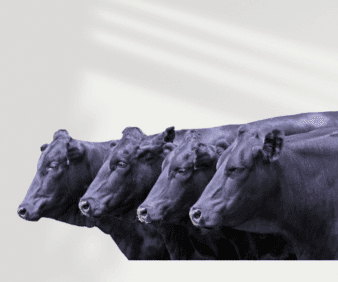

From their humble beginnings as reliable trek animals, the Drakensberger cattle breed has heartily kept up with the progress and changing demands of the ever-evolving agricultural industry. As the emphasis shifted from needing working animals to needing meat, animals with distinctively long and well balanced, well-muscled carcasses were developed. This is how the beloved Drakensberger we know today was created; by applying strong selection practices that focused on the economically important traits such as adaptability, fertility, ease of calving, strong milk production traits, longevity, growth ability, feed turnover conversion and carcass quality.
While these economic traits have definitely taken precedence when it came to selection, the breed's appearance still holds a significant place in the selection process, adhering strictly to the Standard of Excellence. The Standard of Excellence has played a pivotal role in shaping the Drakensberger breed into a uniform and visually striking cattle type.
“It has developed to a breed with noticeable genetic traits, which almost makes it a perfect cattle breed, according to the late Prof. Cas Maree.”
- Drakensberger Handbook.

The Drakensberger cattle breed possesses a distinctive set of characteristics that make it a standout in the world of livestock farming. As a medium-framed breed, mature bulls typically weigh between 820 kg and 1,100 kg, while cows range from 550 kg to 720 kg. They have strong legs and a bone structure with hard buffalo hooves, enhancing walking comfort even on rough terrain. These animals have a strikingly long and deep body with an elegantly sleek, black coat. Their temperaments are naturally docile, making management of this breed very easy.
What truly sets the Drakensberger apart, however, are its innate qualities of adaptability and hardiness; as an indigenous cattle breed, the Drakensberger has been meticulously bred and developed through a combination of natural selection and scientifically based selection processes. The result is a breed that excels in various environmental conditions, showcasing exceptional hardiness, adaptability and a natural resistance to ticks, tick-borne diseases and a fairly robust resistance against internal parasites. Furthermore, Drakensberger cattle have good pigmentation, with resistance to ultraviolet radiation, photosensitivity, and eye problems. They are also fairly heat resistant - attributed to its loose skin and short, shiny blue-black hair that reflects sunlight.
This breed's primary role is as a maternal breed, emphasizing the importance of female traits. It boasts remarkable qualities such as calving ease, fertility, high milk production, and strong maternal instincts. Furthermore, the Drakensberger's unique versatility shines through in its ability to crossbreed effectively with both Bos indicus and Bos taurus breeds. This adaptability positions it as an ideal choice for damline breeding in crossbreeding systems.
The Drakensberger also stands out in terms of its production and reproduction traits; their strong milk production capabilities allow the breed to achieve weaning weights of 220kg on sourveld and 260kg on sweetveld at only 205 days. The average inter calving period (ICP) for cows is less than 425 days, with an age at first calving (AFC) of 34.2 months, according to the SA Studbook's Annual Reports. Information from the Agricultural Research Council’s (ARC) Animal Production Institute further indicates that, among all of the cattle breeds in South Africa, Drakensberger cows show the lowest incidence of disease and calf mortality. They also have a very low incidence of abortions.
What further distinguishes them is their unique ability to maintain or even increase their body condition while nursing their calves - a trait that sets them apart from most other cattle breeds, who typically lose condition during this energy-taxing period. Female Drakensberger animals, which form the cornerstone of breeding efforts, must efficiently utilize available feed resources to sustain themselves, produce effectively, and reproduce under varying and sometimes challenging conditions.

Drakensberger cows also stand out for their remarkably quick recovery after challenging winters and their impressively long productive lifespan, which often exceeds 15 years.

Reproductive ability for breeders of this cattle breed is an absolute priority, with cows expected to deliver calves without complications at an early age. Following calving, they must lead long and productive lives, consistently producing calves at optimal weaning weights.
When it comes to carcass qualities, the Drakensberger can hold its own against any other cattle breed. Its tender and succulent meat is highly valued for its exceptional quality, making it a sought-after choice for beef production. These animals showcase dressing percentages of around 58%, which is very similar to those of the European breeds. Their meat quality is furthermore also exceptional, with intramuscular fat (marbling) making it highly succulent and tender. The Drakensberger's exceptional rumen volume and capacity to convert even low-quality grass into high-quality meat, further sets it apart.
These traits make the Drakensberger an excellent choice for feedlots. Research shows that Drakensbergers from commercial herds had above average growth rates, and no higher mortality rates, compared to other breeds in the feedlot. This breed has performed excellently in a feedlot setting, with a growing promise of excellence.
Drakensberger bulls, specifically those who reached sexual maturity at an earlier stage, will enhance the overall performance of lean meat cattle breeds, accelerating their journey to market readiness. Growth after weaning, feed conversion and carcass quality, in as far as it is determined by the bull, affects the end-product: the meat. As far as this goes, the Drakensberger bull has a proven track record.
These bulls are also very renowned for their libido and long, productive lives. Because they come from a maternal line breed, bulls are ideally suited for use with cows of all breeds, types, and sizes. The interbreeding capacity of the Drakensberger bull is also very impressive, particularly because the Drakensberger is not closely related to any other cattle breed in the world. Using a Drakensberger bull in a cow herd will significantly improve calving outcomes, as use of these bulls typically result in fewer incidences of dystocia.
One of the primary goals of Drakensberger breeders has always been to achieve optimal and efficient production at economically viable levels. This ability to thrive economically is essential for competing with other cattle breeds. Stud breeders play a crucial role in improving genetic material through focused adherence to breed standards, functional efficiency, production measurements, and genealogical information. They are responsible for making this improved breeding material available to the commercial livestock industry, overall enhancing the breed's quality. From its historical roots to its modern-day attributes, the Drakensberger stands as a testament to the power of selective breeding and the pursuit of perfection in livestock farming. Its adaptability, resilience, and remarkable performance in various settings make it a breed that not only thrives but excels in the ever-evolving world of agriculture.


