


The Versatile Ayrshire Dairy Cattle: Quality, Productivity, and Resilience
In the world of dairy farming, the Ayrshire breed stands
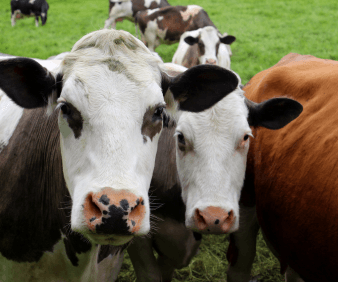


In the world of dairy farming, the Ayrshire breed stands out as a versatile and resilient choice for farmers seeking quality, productivity, and longevity in their herds. With their distinct red-and-white coats and lyre-shaped horns, Ayrshire cattle have garnered recognition for their unique blend of physical attributes and production capabilities. Originating from the picturesque valleys of Ayr in Scotland, Ayrshire cattle have etched a rich history in the records of dairy farming. Their story in South Africa began in 1890 when James Rawbone of Somerset West imported the first Ayrshires to the country, and over the years, this breed has firmly established itself as one of the pillars of the South African dairy industry. The Ayrshire breed celebrated its centenary in South Africa in 2017, marking a century of excellence in milk production and agricultural heritage.
The Ayrshire breed, renowned for its adaptability, boasts a medium-sized stature, with cows typically weighing around 545 kilograms and standing 127cm to 135cm tall. Their striking coat displays a combination of red and white, ranging from predominantly white with red spots to nearly all red, often with jagged-edged markings. While brindle or roan coloring patterns were once common, they have become rare in modern Ayrshires. Traditionally, these cattle were known for their long, gracefully curved horns, but today, the majority of Ayrshires are dehorned as calves for practicality and safety reasons.
Ayrshires combine good milk yields with exceptional milk quality, making them a preferred choice for dairy farmers. Ayrshire milk is renowned for its unique characteristics, including 4 percent fat, 8.8 percent non-fat solids, and small, easily digestible fat globules.
In terms of milk production, Ayrshires consistently excel, with top-performing cows yielding over 9,000 kilograms of milk in their lactations. The breed's world record holder, Lette Farms Betty's Ida, produced a remarkable 16,846 kilograms of milk and 722 kilograms of fat in 305 days. Some Ayrshire cows have even surpassed 18,597 kilograms of milk and 816 kilograms of butterfat in 365 days. This milk's harmonious balance of fat, protein, lactose, and smaller fat particles contributes to its silky-smooth texture and slightly sweeter taste than conventional milk.
Apart from their impressive milk production, Ayrshires are known for their low somatic cell counts, an indicator of udder health. This, coupled with their sound udder conformation and sturdy feet and legs, contributes to the breed's longevity and lower replacement costs for dairy farmers. Furthermore - unlike some other breeds - Ayrshires do not produce yellow-colored fat, which also enhances the value of their carcass.
One of the Ayrshire breed's standout features is its efficiency as foragers and grazers.
These cows have an unmatched ability to convert grass and forage into milk efficiently, making them an excellent choice for various feeding and management systems. Their resilience shines in challenging feeding and climate conditions, a testament to their selection for hardiness traits in their native region.

Ayrshires' adaptability extends beyond their grazing ability. These cattle thrive in different environments, from the rugged landscapes of Scotland to the grassy pastures of South Africa, Australia, New Zealand, and beyond. This adaptability has allowed Ayrshires to flourish worldwide, even in unexpected locales.
In addition to their remarkable milk production, Ayrshires boast excellent reproductive traits and calf vigor. Calves exhibit remarkable strength and robustness, making them easy to raise. Pregnant Ayrshire cows go through the birthing process with ease, a highly sought-after quality that simplifies herd management and enhances overall productivity.
While Ayrshire cattle enjoy popularity in many countries, including Russia, North America, Britain, Australia, New Zealand, Africa, Europe, and parts of South America, there are concerns about the declining population of the traditional Scottish Ayrshire in some regions. Organizations like the Rare Breeds Survival Trust (RBST) in the United Kingdom and the American Livestock Breeds Conservancy (ALBC) in the United States are actively working to preserve the breed's heritage and utility.
In conclusion, the Ayrshire breed offers a unique blend of physical, production, and reproduction qualities that make it an enduring choice for dairy farmers worldwide. From its ability to convert forage into high-quality milk to its adaptability in diverse environments, Ayrshire cattle exemplify excellence in dairy farming.
As the dairy industry evolves, the Ayrshire breed's legacy remains steadfast, symbolizing both the past and the future of dairy excellence.


