


Understanding Dermatosparaxis (Ehlers–Danlos Syndrome) in Sheep
6 min read|
⏳ 5-6 min - Estimated read time What is it?

What is it?
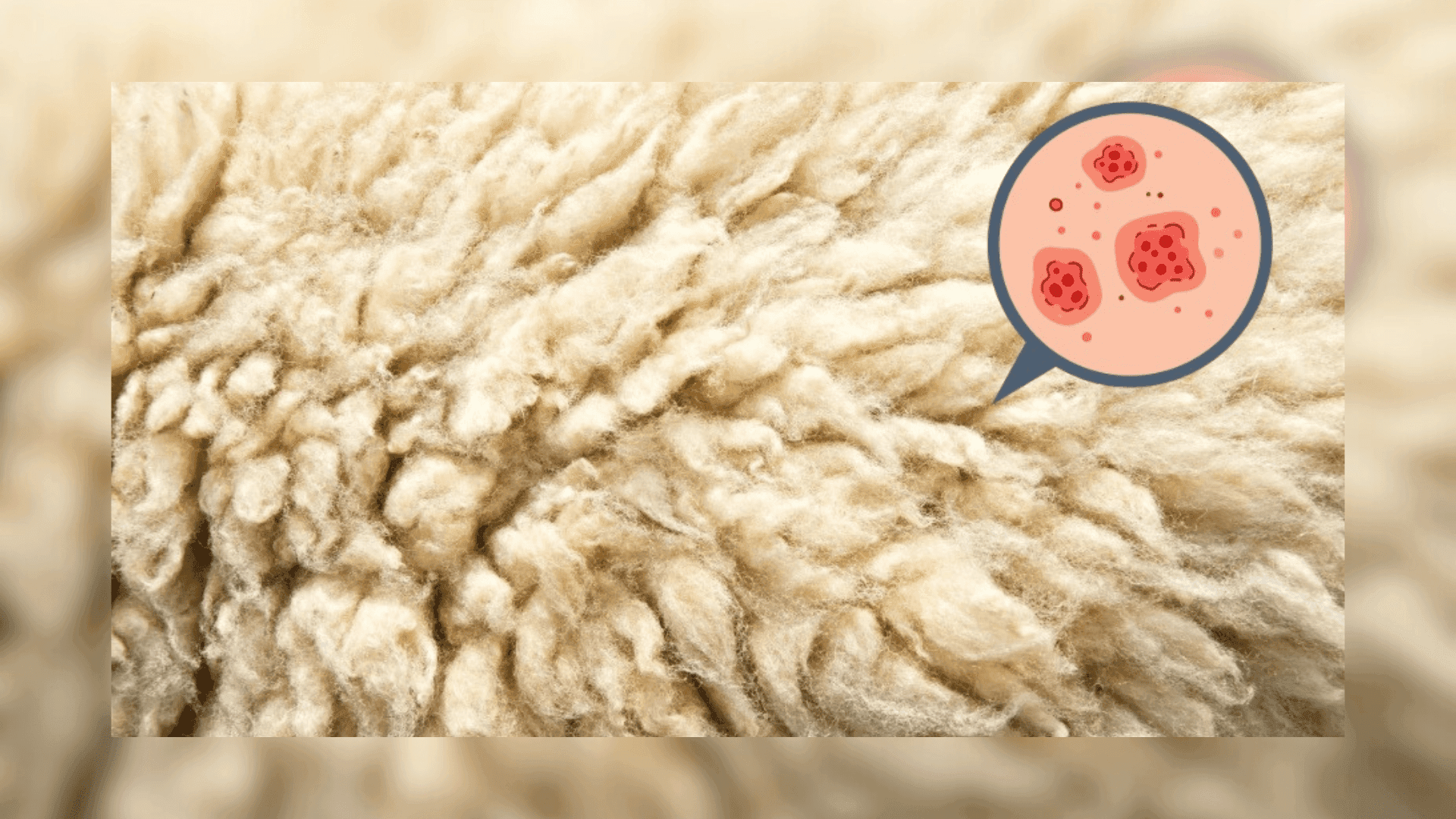
Dermatosporaxis is a rare yet serious inherited condition found in several animal species including cattle, sheep, dogs, cats and horses. The condition arises from a recessive condition in the ADAMTS2 gene, which results in the production of a faulty scaffolding protein in the skin. Typically, these collagen proteins provide the skin with its strength and durability. However, in affected animals, the abnormal collagen renders the skin extremely fragile. Clinical symptoms include skin fragility and delayed wound healing. In sheep, this condition can lead to gastrointestinal tract ruptures and arterial aneurisms, often resulting in fatal outcomes. As the condition is recessively inherited, a lamb requires two copies of the mutated gene to develop the disorder. Sheep carrying a single copy of the defective gene will appear normal, but are still able to pass on the defective mutation to their offspring.
Why farmers should care
- Animal welfare: Even minor trauma (touching, yarding or rubbing) can result in significant skin tears in affected lambs. Due to the compromised collagen, these injuries may not properly heal.
- Economic loss: Lambs suffering from the condition often die or need to be put down for welfare considerations, resulting in a financial loss for the farmer.
- Hidden risk in the flock: Because carriers exhibit no visible symptoms, the defective gene can silently spread within a flock through seemingly healthy rams and ewes. Consequently, a breeder may suddenly start seeing affected lambs without any prior indication.
- Breed implication: The condition has been most notably documented in the Dorper and Merino sheep breeds.

How to identify it
- A new born or very young lamb that appears to sustain a significantly worse skin injury than would be anticipated (such as a spilt or flap of skin beneath the belly or leg) from a perceived minor impact.
- Skin that seems to “peel off” easily or where the lamb has injuries that seem disproportionate to the level of trauma experienced.
- In some cases, lambs may die soon after birth or need to be euthanised due to severe skin damage and subsequent complications (such as fly strike).
- If you have a flock where the same ram has been used extensively, or if you are breeding from a limited group of animals, the likelihood of recessive issues presenting in the flock increases.
The Testing & Management Approach
- Identify whether the gene is present in your flock: DNA testing is available to identify whether an individual sheep is healthy or a carrier of the faulty gene within the breeding stock.
- Use test results to manage breeding choices: Although a clear animal can safely be mated to a carrier, a carrier should never be bred with another carrier. Offspring of clear x carrier matings should ideally be mated to clear animals or tested to confirm their status before mating them.
- Smarter breeding choices through stock diversification: Avoid the overuse of specific rams within the stock or using only a small number of animals within your breeding program. Stock can be diversified by the introduction of new blood lines with known clear status.
Recommended Actions
- Talk with your genetic testing service provider about the dermatosparaxis/ADAMTS2 test.
- Prioritise testing of all breeding rams and replacement ewes.
- Treat all untested animals as potential carriers within your stock.
- Use test results to plan matings.
- If carriers are identified within the breeding stock, adjust mating strategies to not breed carrier to carrier.
- Monitor lambs for any unexplained losses and skin injuries. Test lambs suspected of being affected by the condition.
Bottom Line for the Practical Farmer
Although this condition may appear uncommon, the unintentional introduction of it to a flock may come at a steep cost to the farmer. However, through DNA testing and careful management, the condition may be controlled and irradicated from a breeding stock.

Resources:
- de Simoni Gouveia, J.J., Cunha, S.M.F., de Almeida, E.M., Nogueira, J.F., Souza Filho, J.L.P., Menezes, D.R. and Gouveia, G.V. (2016) Molecular and genealogical analyses reveal multiple sources of the mutation associated with dermatosparaxis in Brazilian White Dorper sheep. Small Ruminant Research, 140: 46 – 49.
- Zhou, H., Hickford, J.G.H. and Fang, Q. (2012) A premature stop codon in the ADAMTS2 gene is likely to be responsible for dermatosparaxis in Dorper sheep. Animal Genetics, 43(4): 471 – 473.
- Monteagudo, L.V., Ferrer, L.M., Catalan‐Insa, E., Savva, D., McGuffin, L.J. and Tejedor, M.T. (2015) In silico identification and three‐dimensional modelling of the missense mutation in ADAMTS 2 in a sheep flock with dermatosparaxis. Veterinary Dermatology, 26(1): 49 – e16.
- Vaatstra, B.L., Halliday, W.D. and Waropastrakul, S. (2011) Dermatosparaxis in two White Dorper lambs. New Zealand Veterinary Journal, 59(5): 258 – 260.
- Joller, S., Berenguer Veiga, I. and Drögemüller, C. (2017) Dermatosparaxis in White Dorper sheep: Confirmation of a causative nonsense mutation in ADAMTS2. Animal Genetics, 48(6): 729 – 730.
- Nogueira, J.F., Borges, A.S., de Andrade, D.G.A., Bezerra, F.C.M., de Oliveira-Filho, J.P., Cunha, S.M.F., Gouveia, J.J. and de Simoni Gouveia, J.J. (2018) Deepening the knowledge about dermatosparaxis in Brazilian White Dorper population: Basis for the development and implementation of a genetic disease eradication program in sheep. Livestock Science, 217: 162 – 166.
- Kelly, J. (2012) Dermatosparaxis in a White Dorper flock. Flock & Herd. [Online] Retrieved from https://www.flockandherd.net.au/sheep/reader/dermatosparaxis.html


