


Unveiling the dynamics of bluetongue
8 min read|
⏳ 7-8 min - Estimated read time In a world
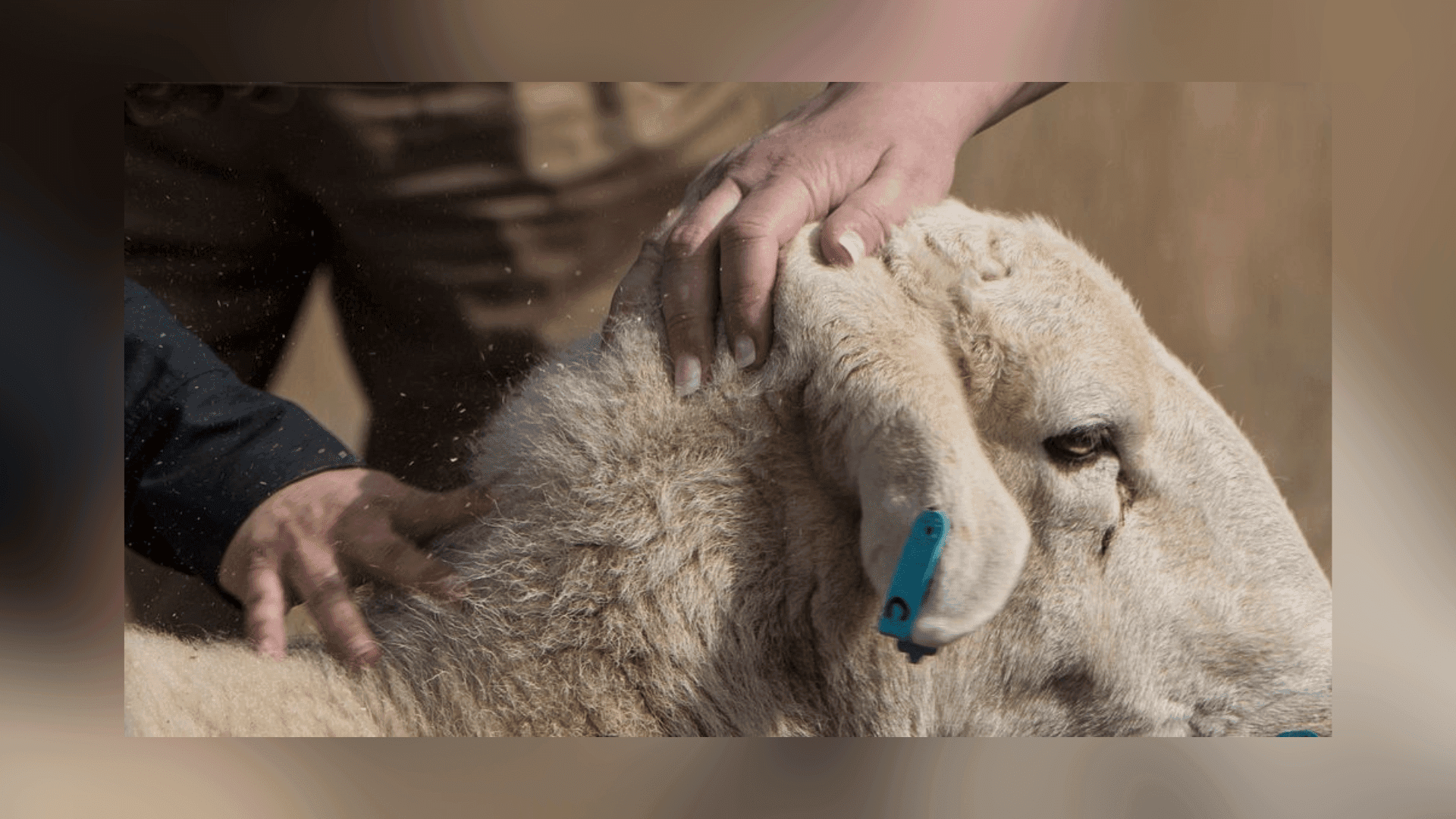

In a world where medical technology has reached unimaginable levels of advancement and excellence, it's often overlooked just how devastating the effects of diseases and illness can still be. This not only rings true for human healthcare but also resonates in the field of animal healthcare - particularly in the context of livestock, an industry of great importance for its contribution to the economy and in ensuring global food security. Even though treatment and prevention methods for many livestock diseases do exist, certain diseases still require unwavering attention and action from livestock farmers. Among these, bluetongue stands out as one of the ailments posing a significant threat to the well-being of livestock, particularly sheep and goats.
Bluetongue was described for the first time by Dr Duncan Hucheon in 1880, followed by a more complete description of the clinical disease and post-mortem lesions done by Dr Spreull in 1902. Before its description, it had been a known disease of sheep ever since the introduction of the Merino to South Africa in 1789, however, it is widely accepted that bluetongue had been circulating unnoticed in the wildlife populations for centuries prior and that the introduction of Merino sheep merely served as an indicator of the disease. Since its discovery, bluetongue has had a major impact on the country's sheep breeders, making it a crucial area for research at the Onderstepoort Veterinary Research Institute.
For the majority of sheep farmers in South Africa, bluetongue is a well-known disease that challenges the sheep-farming industry regularly. Fewer people know, however, that this disease can infect not only sheep and goats but most ruminant and camelid species, including cattle and nearly all of South Africa's indigenous wild antelope. These animals hardly ever show clinical signs of infection, and severe sickness is normally only observed in certain breeds of sheep, particularly European fine wool and mutton breeds. Indigenous sheep breeds, much like the wild antelope species, rarely show clinical signs of being sick. Despite this, they still play a major role in spreading and maintaining the presence of bluetongue in South Africa.

Bluetongue is a non-contagious, infectious, arthropod-transmitted disease caused by viruses that belong to the genus Orbivirus in the family Reoviridae. There are at least 26 bluetongue virus serotypes worldwide, although not all serotypes exist in any one geographic area. The incidence of bluetongue disease globally corresponds closely to the distribution of Culicoides biting midges, which are the primary natural carriers of the virus. The distribution of the disease is greatly influenced by both the geographical and seasonal patterns of these vectors, as well as the temperature conditions at which the virus will replicate and be transmitted by the vectors. In South Africa, bluetongue is particularly prevalent in the summer and autumn months, especially after good summer rains. In very cold areas, the disease typically diminishes about two weeks after the first frost, while in regions with moderate winters, cases can occur year-round, peaking in summer and autumn.
Of the 26 serotypes, 22 are found in South Africa. What makes this disease particularly challenging is the limited cross-protection between viruses of the same serotype. Antibodies generated in response to one serotype are ineffective against viruses from different serotypes. Consequently, if an animal recovers from an infection caused by one serotype, it only acquires immunity against that specific serotype, leaving it susceptible to the other 25 serotypes.
Bluetongue disease in sheep presents with a range of signs and symptoms indicative of its complex pathology. Endothelial cell damage in small blood vessels triggers serum leakage into tissues and body cavities, alongside pinpoint bleeding on mucous membranes and tissues. This vascular disruption often leads to fever, facial swelling, and inflammation of the lips. Furthermore, the disease manifests with tongue swelling, deep mouth sores, and pronounced tissue swelling in the lower jaw and throat, impairing the animal's ability to feed, and causing significant discomfort. Hoof coronitis, marked by a painful dark-red band at the hoof-skin junction, can result in lameness that hinders mobility, while skeletal muscle degeneration results in muscle wasting and notable weight loss. Dermatitis may also occur and is typically characterized by red skin and thin, weak wool formation. Post-mortem examinations often reveal fluid accumulation in the chest and pericardial cavity, lung oedema, pneumonia, and arterial bleeding. Geographical location, climate conditions, and specific sheep breeds all play significant roles in shaping the disease's presentation and spread. This complexity necessitates tailored approaches to disease control and prevention strategies to effectively combat bluetongue and minimize its effects on livestock populations.
To date, no cure for bluetongue disease exists. The most effective treatment for sheep infected with bluetongue is to provide them with proper care, including access to high-quality food, clean water, and shelter. It's crucial to promptly remove sick sheep from the rest of the flock and place them in a small enclosure with adequate shade and clean water. While soft green feed is ideal, some sheep may have such painful mouth sores that they cannot chew even soft food. In such cases, offering high-quality feed pellets is recommended. Sick sheep often swallow feed pellets without chewing them, allowing them to receive essential nutrients despite their discomfort. In instances where there is a high risk of pneumonia, considering the administration of broad-spectrum antibiotics may be necessary.
In South Africa, the widespread presence of the Culicoides biting midges - coupled with the high number of unvaccinated wild and domestic ruminants - makes complete eradication of Bluetongue impossible. Prevention of the disease and restricting its spread are therefore the only practical and successful measures of limiting the economic repercussions of the disease, particularly among vulnerable sheep populations.

The correct and timely vaccination of sheep continues to stand out as the most effective means of preventing bluetongue. The first reasonably successful bluetongue vaccine was developed by Sir Arnold in 1946, after successfully cultivating and attenuating the bluetongue virus in embryonated eggs. Subsequently, in 1948, the discovery of multiple bluetongue virus serotypes shed light on why existing vaccines exhibited variable efficacy. By 1960, 12 distinct serotypes had already been identified and incorporated into the vaccine, with more being added as they were discovered. It soon became apparent, however, that incorporating this many serotypes into a single vaccine is not a viable option, as sheep could only mount an immune response to a limited number of strains simultaneously.
This led to the development of a three-part series of pentavalent vaccines containing five serotypes each. These vaccines required administration at three-week intervals, although longer intervals yielded better results. Despite initial resistance from farmers, who found the multi-dose regimen burdensome, the three-part vaccine proved effective in controlling bluetongue outbreaks when administered correctly.
The diligent and correctly prescribed use of the multi-part bluetongue vaccine has demonstrated significant success in controlling the disease among livestock populations. Because this vaccine will only stimulate immunity to all serotypes after several inoculations, a yearly vaccination combined with additional measures must be taken to protect sheep against bluetongue during the period of highest risk.
Additional measures entail reducing sheep exposure to Culicoides bites by avoiding low-lying wet pastures, housing animals between dusk and dawn when midget activity is at its peak, shearing sheep early in the summer to allow for wool regrowth before the heightened midge exposure months in late summer and autumn, and utilizing insect repellents. These precautions aim to mitigate the risk of disease transmission and minimize its impact on susceptible sheep herds.
Despite the incredible advancements in vaccine development, this disease remains a significant threat to South Africa's livestock industry, necessitating continued vigilance. Although vaccines are readily available, not all farmers choose to vaccinate their animals. Bluetongue outbreaks amongst unvaccinated herds continue to occur on an annual basis, exposing sheep to a range of different serotypes in each vector season and potentially causing severe clinical disease. It is unfortunate that, because of this, significant economic losses amongst South African sheep farmers flocks occur yearly, highlighting the importance of vaccination and ongoing surveillance. Combining regular vaccinations with proactive measures to reduce exposure to Culicoides vectors remains imperative in protecting sheep health during peak transmission periods. As South Africa's agricultural sector strives to combat bluetongue and ensure global food security, collaborative efforts, and innovative solutions will remain essential in addressing this persistent threat.


