


Veld Types of South Africa
Veld – the vastly open, untamed and uncultivated landscape of
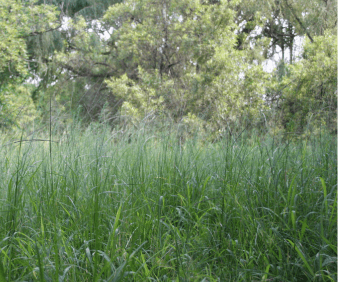

Veld – the vastly open, untamed and uncultivated landscape of grassland areas scattered all across Southern Africa.
Veld – the vastly open, untamed and uncultivated landscape of grassland areas scattered all across Southern Africa. In the grand scheme of agriculture, the term “veld” can have completely different implications for different people; to the crop farmer, a stretch of veld represents a potentially fertile and cultivable piece of land where he can plant, grow and harvest his crops for profit. To a livestock farmer, that same portion of land equates to the number of livestock it allows him to keep, breed and make an income from. Game ranchers might look at the veld as a means of determining how many animals should be kept or culled, while someone else might simply be interested in the potential yield of grass bales this piece of veld allows him to sell. The concept of a “veld” therefore holds diverse significance to different people, reflecting its multifaceted nature within the agricultural landscape. Despite the difference in utilization, it is evident that the basis of its significance lies in the diverse array of grass types that adorn its expenses, and the kind of veld being considered. The grass is where it all begins; existing as the lowest participant on the food chain, yet no life can exist without it – it is a vital part of the circle of life.
The utter simplicity and reliability of grass can often cause its beauty and benefit to be grossly overlooked. The truth is, however, that this seemingly humble vegetation plays a profound role in maintaining the harmony of the natural world. Without grass, the delicate balance of ecosystems would be disrupted. The absence thereof would lead to increased soil erosion, leaving the land vulnerable to degradation and loss. The interlocking network of grass roots, along with its flat blades, acts as nature's filtration system, purifying water and air, ensuring their clarity and health. Additionally, the resilience of grass species spares humanity from enduring relentless toil to produce food, as its steadfast growth and nourishing properties have provided sustenance for countless generations. Grasses are so important, in fact, that wars have been fought over it and for the use of this valuable resource.
Grass is also the main plant type used as forage for both domesticated and wild grazers. This makes it an incredibly important aspect of successful livestock farming, with many ranchers considering themselves grass farmers rather than livestock farmers. Historically, the emphasis on managing your veld was much lower than it is today, as grain and grass used to be much cheaper and readily available when grass from the veld came up short. Today, proper management of this natural resource is a crucial part in ensuring high-quality, high yield grazing year-round with limited need to buy in additional feed, particularly when considering the increased financial strain when having to buy additional feed. With this increased interest in veld management and optimization of veld use, a lot of focus is being put on the various types of grasses on the veld, as well as the various veld types.
The grass family is the fifth largest plant family on earth, boasting more than 9700 species across the globe, with roughly 10% of those found in Southern Africa. South Africa itself is exceptionally rich in palatable grasses, an ideal source of grazing for game and livestock. The natural veld in South Africa is defined as either sweetveld, sourveld or mixed veld, based on the palatability and the nutritional value of the common grasses during the dormant season, when the plants are not growing. The nutrient value refers to the number of nutrients that a plant contains at a specific stage, while the palatability considers the tastiness of the feed, as experienced by animals. Climatic factors, such as rainfall and average temperatures, seasonality of the rainfall, altitude and soil factors all play a role in determining the type of veld found in a region. Over the years, many studies have been done on the topic of veld-type, and today the distribution of the veld types in South Africa have been clearly mapped.

In the lower lying areas of South Africa, where the rainfall is low and the winters are mild and frost-free, we typically find Sweetveld. Due to the lesser rainfall of between 250-500 mm per annum, leaching of nutrients from the soil occurs minimally, meaning that the soil has a high fertility status year-round. Grasses growing in these fertile soils are positively influenced by this, meaning that they are also highly nutritious and palatable. Very few nutrients are stored in the roots during the mild winters, that makes the grass palatable and nutritious even in the winter times, which means that sweetveld provides a good source of feed throughout the year, even as the grasses reach maturity. Due to the high palatability of the grasses found here, overgrazing of sweetveld unfortunately occurs all too easily. With good management, this can however be avoided, and optimal use of this incredibly nutrient dense veld can be obtained.
At higher altitudes, typically in colder areas where the rainfall is more than 625 mm per annum, Sourveld is more common. Because of relatively high rainfall in sourveld regions, the soil is constantly subjected to leaching out plant nutrients. This results in a decreased soil pH and a lower soil fertility. During the growing season, when plants are young and growing, the grazing on Sourveld is palatable and fairly high in nutritive value, but as the plant matures, the nutrition status steadily declines, with very little nutritional benefit offered as full maturity is reached – which is usually in the winter. This happens because the plants have adapted to the cold, frost-prone conditions by translocating the nutrients from the leaves back to the roots. Sourveld is tolerant to overgrazing, but if subjected, it will be prone to lower production.
Mixed veld is found in the transitioning areas between sweet and sourveld, where conditions are intermediate between those in which the other two types of veld are found. When the characteristics of this type of veld is more similar to that of sweetveld, it is called sweet mixed veld, and where it is closer to sourveld, it is called sour mixed veld. Sweet mixed veld will grow in the areas where the soil is more alkaline, and will provide grazing for about 9 – 11 months of the year, whilst sour mixed veld will grow in more acidic soils, providing grazing for only about 6 – 8 months in a year. Mixed veld is also much less prone to be overgrazed than both sweet and sourveld due to its slower growth rate after rains, and therefore it needs a longer period to mature.
It is evident that the sustainable management of the natural veld and optimal livestock production per hectare will be greatly determined by the type of veld that is found from farm to farm. To maximize profits, a farmer must know whether they are farming on sweet -, sour – or mixed veld, adapting their livestock management practices accordingly. Poor management will increase production and input costs, whilst simultaneously decreasing fertility, calving rates and livestock growth rates. The goal in managing the veld is to create a sustainable grazing system that allows for the animals to reach their full production potential, without causing harm to the ecosystem as a whole. Overstocking or not shifting between caps often enough could result in trampling, soil compaction, erosion and almost definitely overgrazing – problems that will seriously affect the quality and quantity of the grass on that veld for the next grazing period.

Management of sourveld is a much easier task than managing sweetveld; for sourveld, the rule of thumb is to never allow the grass to grow above the height of a cooldrink can, placed upright, and never below the height of a cooldrink can laying down. Due to the nutritional deficiencies of the grasses on sourveld, additional protein licks might need to be supplemented. Management of sweetveld is slightly more challenging, due to the variability of rainfall in the regions in which it occurs, and subsequently its vulnerability to drought. In order to optimize management, the composition of grass species needs to be identified and managed accordingly. The goal here would be to keep the more palatable, climax species dominant, while keeping the less palatable pioneer species at bay, or restoring the prevalence of the climax species in cases where serious veld degradation has occurred.
The most effective method to do this is by implementing a well-managed veld-rotation system, preventing the overgrazing of certain species and optimizing livestock productivity. In certain areas, sweetveld might be deficient in phosphorus, necessitating the need for a phosphorus supplement. The high palatability of the grass might also decrease the livestock’s intake of the supplement, therefore the salt concentration of such a supplement might need to be slightly higher.
Recognizing and understanding the different veld types in South Africa is essential for successful livestock farming and the sustainable management of this incredible natural resource. Each veld type presents distinct challenges and opportunities, requiring a tailored approach to maximize productivity, whilst still protecting the vegetation against overgrazing and degradation. Implementing well-managed veld-rotation systems, monitoring grass height, and supplementing nutrients where needed are key strategies for optimizing livestock production and preserving the health of the land. By embracing the significant importance of grass and adapting management practices to the unique characteristics of each veld type, farmers can secure long-term viability and contribute to a balanced agricultural future.


