


Zoetis: A Preventative Solution for Sheep Diseases
In a world where farming and livestock health must
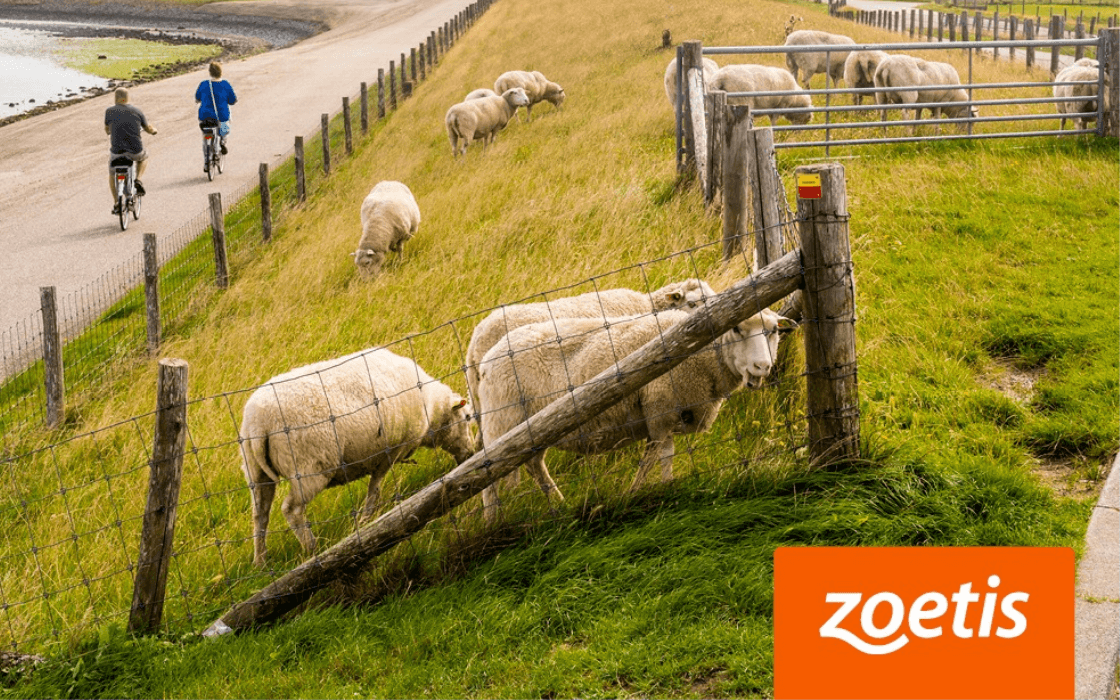

In a world where farming and livestock health must work hand-in-hand to ensure success, vaccines play a critical role in protecting herds from potentially deadly diseases. Zoetis, the world's largest manufacturer of animal health products, has developed vaccines aimed at preventing diseases such as respiratory infections and clostridial diseases in intensive sheep farming systems. Natanya Smit from Zoetis explains how their products can help manage these threats and how the right vaccination program can not only prevent diseases but also save costs.
Respiratory Diseases: The Biggest Challenge
One of the biggest challenges in intensive sheep farming systems is respiratory diseases, particularly bacterial pneumonia. Respiratory infections caused by bacteria like Pasteurella (Mannheimia haemolytica) can develop quickly when sheep are exposed to stress factors. These bacteria, which normally inhabit the upper respiratory tract of sheep, cause no harm until the sheep’s immune system is compromised, often due to stress or a viral infection. This creates an opportunity for the bacteria to attack the lungs, causing severe pneumonia.
M.haemolytica releases an endotoxin that destroys the sheep’s white blood cells, triggering a chain reaction of inflammation and further tissue damage. This process can rapidly take sheep from "healthy" to dead in just one day. It is therefore critical that farmers act swiftly to prevent or treat these diseases in time.
The “Disease Complex”: More Than Just One Disease
Respiratory diseases are not caused by a single factor but result from a combination of elements – from the sheep’s overall health and farm management practices to environmental conditions and the animal’s vaccination status. This phenomenon, known as the "disease complex," emphasises the importance of a comprehensive vaccination program that considers all these variables.
The bacteria responsible for respiratory diseases can be highly virulent, meaning they can cause significant damage if left untreated. However, if caught early enough, treatment can often help control the disease. The greatest risk is for animals that have not been vaccinated, as they are usually the hardest hit by this type of infection.

Zoetis: Your Partner in Risk Management
Farming is largely about risk management. The smaller you can make the risk of disease, the greater the chance your herd will remain healthy and economically profitable. Zoetis offers an effective way to manage these risks through their vaccines which include products such as One Shot Ultra™ 7, UltraChoice™ 7, and Glanvac® 3 – all vaccines designed to protect sheep from a variety of the most common and deadly diseases that threaten sheep farmers.
One Shot Ultra™ 7: Protection Against Respiratory and Clostridial Diseases
One of the most popular vaccines in Zoetis’ vaccine range is One Shot Ultra™ 7. This vaccine is designed to protect sheep against both respiratory diseases like pneumonic pasteurellosis and clostridial diseases. Clostridial diseases, caused by bacteria such as Clostridium chauvoei, Clostridium septicum, and Clostridium novyi, are common in intensive farming systems, especially when the animal’s immune system is compromised or when there are injuries or parasite loads.
Using One Shot Ultra™ 7 ensures that sheep are protected against these deadly diseases. Farmers can vaccinate their sheep at any time of the year, but it is recommended to vaccinate lambs from six weeks old. It’s important to note that vaccinating too early in a lamb’s life can be harmful, as their immune systems are not fully developed. Therefore, following the vaccination schedule carefully is crucial to ensure the best results.
UltraChoice™ 7: An Alternative Solution
UltraChoice™ 7 offers similar protection to One Shot Ultra™ 7 but is specifically aimed at preventing clostridial diseases. It protects against diseases like blackquarter, malignant edema, gas gangrene, and enterotoxaemia. These diseases are extremely dangerous and can spread quickly through a herd, especially under stressful conditions.
Glanvac® 3: Combatting Caseous Lymphadenitis (CLA)
Glanvac® provides protection against caseous lymphadenitis (CLA), also known as cheesy gland, which is a common issue in sheep. It also prevents enterotoxaemia and tetanus, both of which are potentially fatal diseases. This vaccine is particularly useful in intensive farming systems where the risk of disease is higher due to the close confinement of animals.
The Economic Benefits of Vaccination
One of the biggest advantages of a vaccination program is its cost-effectiveness. Diseases like pneumonia and clostridial infections can quickly lead to significant losses, both in terms of animal deaths and the cost of treatment. By vaccinating, farmers can significantly reduce these risks and ensure their herds remain healthy. It also reduces the need for expensive treatments and the loss of productivity that accompanies disease outbreaks.
How to Obtain Zoetis Products
Zoetis not only offers vaccines but also extensive support for farmers. By contacting Zoetis, farmers can get advice on the best practices for managing diseases in their herds. Zoetis products are also readily available at local veterinary practices and cooperatives and can be purchased directly off the shelf.
The Right Vaccination Program for Your Sheep Herd
For the best results, Zoetis recommends a structured vaccination program. A farmer’s local veterinarian, familiar with the environment, risks and products will be able to assist with a structured vaccination program.
Zoetis’ sheep vaccines are an excellent tool for farmers who want to protect their herds from diseases that can spread rapidly and cause significant losses. With vaccines like One Shot Ultra™ 7, UltraChoice™ 7, and Glanvac® 3, Zoetis provides comprehensive protection against both respiratory and clostridial diseases. These products not only help prevent diseases but also save money by reducing the need for treatments and preventing the loss of animals.


