


Sasol and SA farmers: Why the next energy opportunity starts on the farm
8 min read|
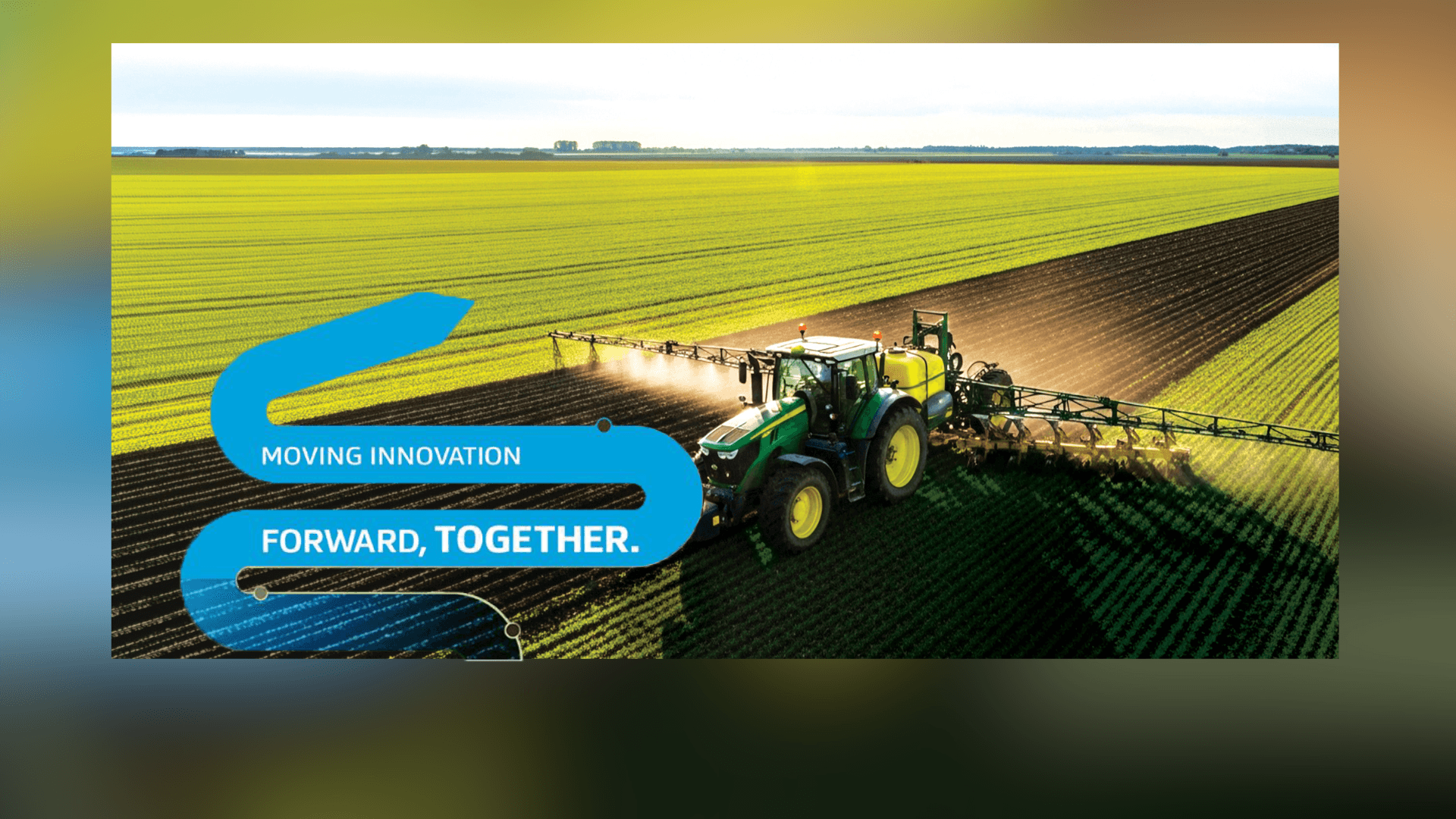

An exciting conversation at NAMPO
At NAMPO 2026, Sasol VP Commercial Sales Innocent Pereira answered a question that has become increasingly more important to everyone, including producers in South Africa: Can farmers become partners in the country’s future energy and oil supply, not just end customers?
For years, many South Africans have known Sasol for its diesel, fuel supply and lubricants. But the conversation is now becoming wider. Sasol’s message to agriculture is that it wants to support farmers through reliable energy, local production, lower-carbon fuels, lubricants, enterprise development and new opportunities in biofuel feedstock production.
For farmers facing higher input costs, supply uncertainty and pressure to farm more sustainably, this is not just a corporate story. It could become a farm-gate opportunity.
Supply certainty matters as much as price
Every farmer knows that diesel is not just another expense line. It determines whether planting happens on time, whether harvesters keep moving, whether irrigation systems can run, and whether produce reaches the market.
That is why Sasol’s local position matters. At NAMPO, Sasol described itself as a local energy partner that manufactures fuels and lubricants in South Africa, engineered for local farming conditions. Sasol says this supports consistent quality, reliable supply and a more resilient local value chain.
This directly speaks to one of the biggest concerns farmers have: supply risk. A farmer can plan around price, but it is much harder to plan around empty tanks, poor-quality fuel or machinery downtime during a short planting or harvest window.
Sasol’s farmer-facing offer includes Sasol Turbo Diesel 10ppm, Sasol Techno Oil™ lubricants, and drop-in energy transition solutions such as renewable diesel, renewable electricity and waste-tyre-to-fuel. Sasol says its Techno Oil lubricants are engineered to protect farm equipment, extend service life and reduce maintenance and downtime.
For a producer, that is where the partnership conversation should start: not with slogans, but with reliability, machine protection, supply certainty and measurable savings.
Biofuels: A new income stream from the land
The bigger opportunity is biofuel.
Sasol’s new renewable diesel and sustainable aviation fuel can deliver the same performance and chemical properties as conventional fuels while reducing greenhouse-gas emissions by up to 90% on a lifecycle basis. It also says these fuels can be produced from sustainable feedstocks such as moringa and Solaris vegetable oils, and that their “drop-in” fuels can be used in existing equipment and infrastructure without modifications.
That point is crucial for agriculture. Farmers do not need transition plans that force them to replace entire fleets of tractors, trucks, irrigation pumps and generators. They need practical solutions that work with the equipment already on the farm.
That is where farmers should pay attention. If this value chain becomes commercial, it could create new demand for crops, biomass, services, transport, aggregation and rural businesses linked to renewable diesel.

From pilot project to offtake potential
Sasol states that, once the project is technically and commercially proven, Sasol’s Natref facility will be used to process, refine and distribute renewable diesel for potential future offtake. It also states that Natref is expected to be ready to produce limited trial quantities of biofuels by 2027, with plans for a larger-scale biorefinery in the early 2030s.
For farmers, the keyword is offtake.
A new crop or feedstock only becomes attractive when there is a clear buyer, a fair price, a workable delivery point, and a contract that properly manages risk. Farmers should therefore engage early and ask practical questions: What feedstock will be needed? In which areas? At what volume? What quality specification? Who pays for transport? Will there be floor prices? Can small and emerging farmers supply through groups, co-ops or hubs?
This is where we believe farmers can help shape the opportunity. Waiting until the model is already designed may leave producers with fewer options. Engaging now gives farmers, co-ops and rural businesses a chance to influence how the value chain works.
IPHEPE: Skills must become market access
Sasol’s agricultural story is also linked to farmer development through IPHEPE.
Sasol describes IPHEPE as a farmer development initiative focused on practical agricultural skills, farm business skills, enterprise development, mentorship and sustainable farming livelihoods. Sasol has trained more than 300 emerging farmers through the IPHEPE program since 2018.
Sasol also states that the IPHEPE programme is rolled out in layers, beginning with skills development, followed by incubation and business development, and then business support services. IPHEPE has trained and provided business mentorship to over 202 beneficiaries during 2021–2023.
This is important because training alone is not enough. Emerging farmers need skills, but they also need market access. They need a route into real value chains. Biofuel production could become one of these routes, provided Sasol and its partners create a structure in which farmers are not only trained but also contracted, supported, and paid.
That is where the programme can become much more powerful: youth and emerging farmers gaining skills, then moving into supply, aggregation, transport, nursery work, production support or other services around a renewable fuel value chain.

More than diesel: Sasol’s chemistry footprint in agriculture
Sasol’s role in farming is also linked to crop nutrition and chemistry. Sasol Chemicals says its agriculture division produces ammonium nitrate, limestone ammonium nitrate and nitric acid. LAN is used in NPK fertiliser blends and as a primary nitrogen source for topdressing in crop and pasture production.
For producers, this matters because the farm of the future will need partners that understand the full cost picture: diesel, lubrication, fertiliser, energy, downtime, sustainability and market access.
Opportunities for commercial farmers, co-ops and rural SMEs
Not every farmer will become a biofuel feedstock grower. Some may fit better as service providers.
A commercial grain or oilseed farmer may be able to test a feedstock in rotation. An irrigation farmer may be able to trial a niche crop under controlled conditions. A co-op may be able to aggregate volumes from many smaller producers. A rural contractor may support transport, harvesting, storage, tank installation or maintenance. An emerging farmer may start with skills development through IPHEPE and then move into production or supply services.
Sasol’s Enterprise and Supplier Development platform says its mandate is to identify, develop and sustain qualifying small and medium enterprises, with support including funding, business support, incubation, market access and opportunities to participate in commercial supply chains, including Sasol’s own.
That makes the opportunity bigger than a single crop. It can include farming, logistics, storage, technical services, maintenance, aggregation and local enterprise development.
What farmers should ask Sasol
Farmers should be positive about the opportunity, but also business-minded.
Before committing land, water, capital or machinery, producers should ask Sasol for clarity on three things: feedstock, pricing and risk.
What exactly will Sasol need? Seed, oil, biomass, residues or processed material? What quality standards will apply? Where will delivery take place? Who pays for transport? Will there be offtake agreements? Will there be technical support? What happens if drought, heat or flooding affects production?
For emerging farmers, the questions are just as important. Can IPHEPE link training to contracts? Can farmers access mentorship after training? Will there be support for business plans, finance readiness and supplier registration? Can youth and women farmers participate through groups or hubs?
These are the details that will determine whether the opportunity becomes real income or remains only a good idea.
The Farmer’s view
The discussion at NAMPO 2026 made one thing clear: Sasol wants to be seen as more than a fuel supplier to agriculture. It wants to be part of a wider conversation about farming, energy, and enterprise development.
For farmers, this is the right time to engage.
Know your hectares. Know your diesel use. Know your machinery and lubricant needs. Know your rotation options. Know your transport and storage capacity. Know whether your business is best suited to be a grower, aggregator, contractor, co-op partner, or emerging-farmer supplier.
The future of agriculture will not only be built in refineries and boardrooms. It is built on farms, through crops, biomass, waste streams, rural businesses and long-term offtake partnerships.
Because the next opportunity in South African agriculture may not be limited to what farmers grow for food.
It may also be what they grow to ensure supply certainty.


